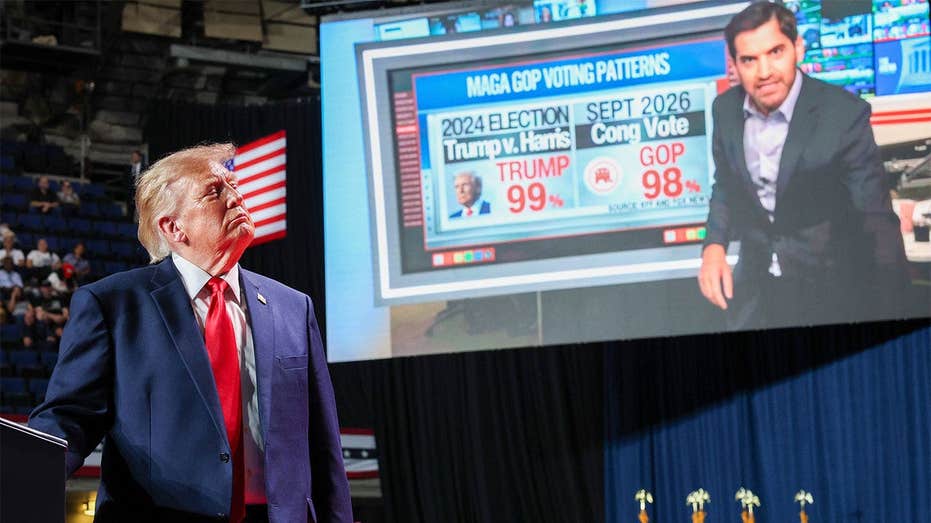
2026 Midterm Elections: Early Indicators Suggest Shifting Political Landscape
Early indicators for the 2026 midterm elections reveal a complex political environment, with both parties facing unique challenges and opportunities.
As the 2026 midterm elections draw closer, initial analyses of the political climate suggest a dynamic and potentially unpredictable battle for control of Congress. While some early indicators might point towards a "blue wave," a closer examination reveals a more nuanced picture, with both Democratic and Republican parties anticipating significant challenges.
The midterms are historically a referendum on the sitting president's party, and the current administration's performance will undoubtedly play a significant role. However, a multitude of factors beyond presidential approval ratings are expected to influence voter sentiment, including economic conditions, national security concerns, and evolving social issues.
Sources indicate that Republican strategists are focusing on key areas such as border security and economic concerns to mobilize their base and attract swing voters. Conversely, Democrats are aiming to leverage legislative achievements and address issues like healthcare and climate change to galvanize their supporters. The effectiveness of these strategies remains to be seen as the election cycle progresses.
The implications of the 2026 midterms extend beyond the immediate control of the House and Senate. The outcomes will shape the legislative agenda for the remainder of the presidential term and influence the political landscape leading into the subsequent presidential election. Any shifts in congressional power could lead to significant policy changes across various sectors.
Historical trends show that the party not holding the presidency often gains seats in midterm elections. However, this pattern is not absolute and can be influenced by the specific political and economic climate of the time. Analysts are closely watching polling data and early campaign messaging from both parties for signs of momentum.
Public discourse is also being shaped by ongoing debates on issues ranging from technological advancements like Artificial Intelligence in education to foreign policy challenges. These larger national and global conversations are likely to resonate with voters and influence their choices at the ballot box.
Furthermore, the role of independent voters and the potential impact of third-party movements or strong independent candidates could play a crucial role in determining close races. The fragmentation of the electorate and the search for common ground remain significant challenges for both major parties.
As the election approaches, the focus will intensify on specific races, candidate profiles, and the effectiveness of campaign strategies. The ultimate outcome will depend on a complex interplay of voter turnout, regional dynamics, and the ability of each party to connect with the concerns of the American people.
This article was written by AI based on publicly available news reporting. Original reporting by the linked source.