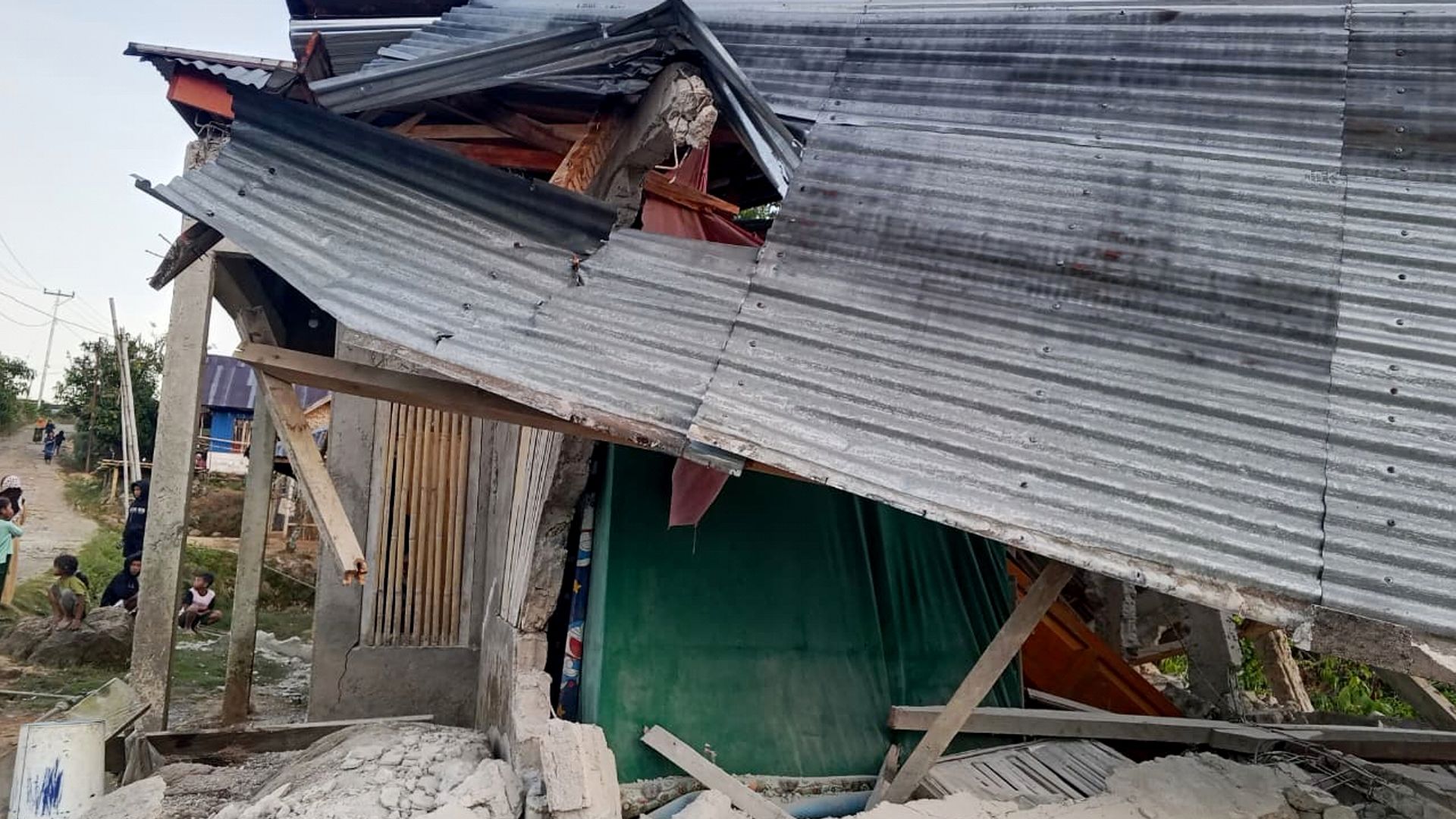
7.7 Magnitude Quake Devastates Indonesia, Collapsing Buildings and Homes
A powerful 7.7-magnitude earthquake struck Indonesia, causing widespread destruction with buildings and homes collapsing.
A significant 7.7-magnitude earthquake has rocked Indonesia, leading to the collapse of numerous buildings and homes across the affected region. The powerful seismic event occurred on [Date of Earthquake - not provided in source material] and has caused widespread damage.
The Indonesian archipelago is situated on the Pacific Ring of Fire, an area known for its frequent seismic activity and volcanic eruptions. This geographical location makes the country particularly vulnerable to earthquakes of varying magnitudes.
Initial reports indicate that the earthquake's impact has been severe, with structural damage reported in many areas. The sheer force of the tremor resulted in the collapse of residential buildings and other structures, raising concerns about casualties and the extent of the devastation. Local authorities are currently assessing the full scope of the damage.
The implications of this major earthquake are significant, potentially leading to a large-scale humanitarian response. Emergency services are expected to be mobilized to aid those affected, with immediate needs likely including search and rescue operations, medical assistance, and temporary shelter for displaced residents.
While the exact epicenter and depth of the earthquake were not immediately available in the provided source material, the magnitude suggests a potentially shallow and destructive event. Such powerful earthquakes can trigger secondary hazards like landslides and, if occurring offshore, tsunamis, though no tsunami warning was mentioned in the initial report.
Residents in the affected areas are likely experiencing shock and fear, with many potentially losing their homes and livelihoods. The coming days will be crucial for understanding the full human and infrastructural toll of this disaster. The resilience of communities in earthquake-prone regions will be tested as they begin the process of recovery and rebuilding.
Further details regarding the specific locations most impacted, any reported fatalities or injuries, and the ongoing rescue efforts are expected to emerge as communication lines are restored and assessment teams reach all affected zones. The scale of the destruction will dictate the long-term recovery needs.
This event underscores the ongoing seismic risk faced by Indonesia and highlights the importance of robust building codes, early warning systems, and disaster preparedness strategies in mitigating the impact of such natural calamities. The international community may also offer support as the nation grapples with the aftermath.
This article was written by AI based on publicly available news reporting. Original reporting by the linked source.