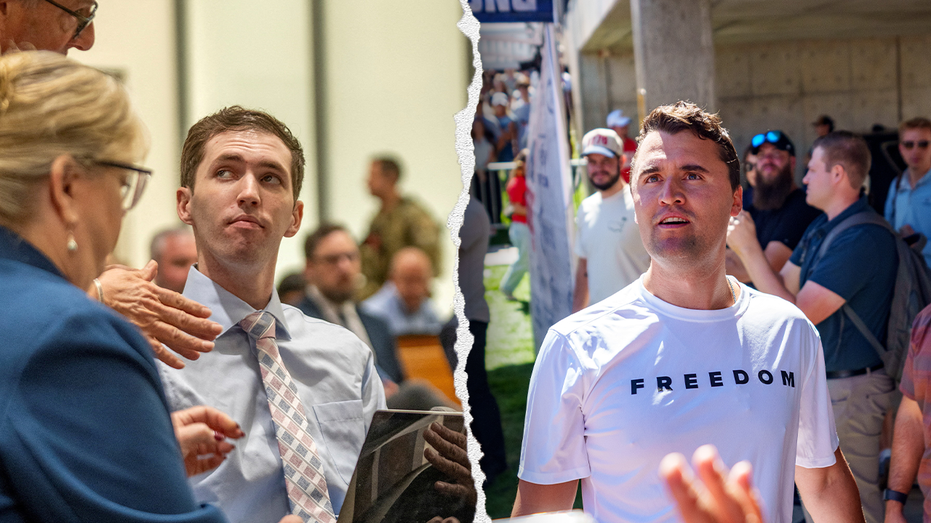
Accused Charlie Kirk assassin Tyler Robinson contests DNA and rifle evidence
Tyler Robinson's defense team challenges key DNA and rifle evidence presented by prosecutors in the alleged plot to kill Charlie Kirk.
Prosecutors are building their case against Tyler Robinson, who stands accused of plotting to assassinate conservative commentator Charlie Kirk. A recent hearing focused on critical pieces of evidence, including DNA and a rifle, with Robinson's defense team actively contesting their validity and interpretation.
The case centers on allegations that Robinson, a former college student, harbored extreme anti-government and anti-conservative beliefs, leading him to target Kirk. Investigators claim to have uncovered a detailed plan, including the acquisition of specific weapons and surveillance of Kirk's movements. The prosecution aims to prove that Robinson was not only contemplating the act but had taken concrete steps towards its execution.
During the recent hearing, the defense sought to cast doubt on the forensic evidence. Specifically, arguments were raised regarding the origin and significance of DNA found on certain items, and the link between a specific rifle and Robinson's alleged intent. Prosecutors countered by presenting their findings, asserting that the evidence directly connects Robinson to the plot and demonstrates his capability and intent to carry out the assassination.
This legal battle highlights the crucial role of forensic science in high-profile criminal cases. The defense's challenge to the DNA and ballistics evidence suggests a strategy to create reasonable doubt, potentially impacting the jury's perception of Robinson's guilt. The implications extend to how such evidence is presented and scrutinized in future legal proceedings.
The prosecution's narrative paints Robinson as a radicalized individual motivated by political ideology. Evidence presented includes online communications and writings that allegedly detail his animosity towards Kirk and his desire to commit violence. The defense, however, has emphasized Robinson's mental state and has sought to portray him as delusional or not fully aware of the gravity of his alleged actions.
Further details revealed in court documents and during testimony include the timeline of the alleged plot and the methods by which investigators became aware of Robinson's intentions. The investigation reportedly began after concerns were raised by individuals who observed Robinson's increasingly concerning behavior and statements.
Legal experts following the case note that challenges to forensic evidence are common, but the specific nature of the DNA and rifle evidence in this instance could prove pivotal. The reliability and contextualization of such evidence are often central to the prosecution's ability to secure a conviction, especially in cases relying heavily on circumstantial or digital footprints.
As the legal proceedings continue, the focus remains on how effectively both sides can present their arguments regarding the contested evidence. The outcome of these challenges will significantly shape the direction of the trial and the ultimate verdict for Tyler Robinson.
This article was written by AI based on publicly available news reporting. Original reporting by the linked source.