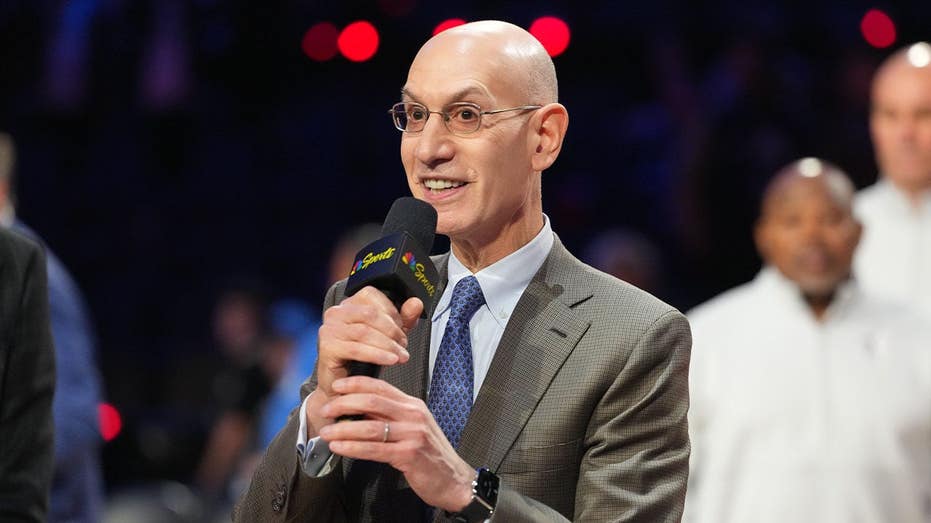
Adam Silver: WNBA Ignores Reality, Uses Caitlin Clark as 'Political Football'
NBA Commissioner Adam Silver acknowledged WNBA officiating issues but deflected criticism regarding Caitlin Clark's treatment, calling her a 'political football'.
NBA Commissioner Adam Silver has characterized the ongoing debate surrounding the treatment of WNBA rookie Caitlin Clark as a "political football," suggesting the league is avoiding confronting the reality of the situation. Silver acknowledged that officiating in the WNBA needs improvement but stopped short of directly addressing the repeated hard fouls directed at Clark.
The comments come amid increasing scrutiny of the physical play Clark has endured since entering the league. Critics argue that a pattern of rough play, including several hard fouls, has gone insufficiently addressed by the league, impacting both Clark's safety and the WNBA's public image.
While Silver conceded that WNBA officiating requires enhancement, his framing of the Clark situation as a "political football" implies a reluctance to engage with the specifics of the criticism. This approach has drawn further attention to the league's handling of player conduct and the narrative surrounding its burgeoning stars.
The implications of Silver's remarks suggest a potential disconnect between league leadership and the growing fan base demanding accountability. The WNBA, which has seen a significant surge in popularity partly due to Clark's arrival, faces pressure to ensure a safe and fair environment for its athletes while capitalizing on its newfound mainstream appeal.
Fans and analysts have pointed to numerous instances where Clark has been subjected to aggressive play, some of which have resulted in fines or suspensions for opponents. However, the consistency and severity of the league's responses have been questioned, leading to perceptions that Clark is being targeted.
This situation is particularly sensitive for the WNBA as it seeks to expand its audience and solidify its place in the sports landscape. The league has benefited immensely from the attention Clark has brought, but the controversy surrounding her treatment threatens to overshadow the positive momentum.
Silver's choice of words, "political football," suggests that the league may be attempting to navigate a complex situation involving player safety, competitive intensity, and public perception without alienating any particular group. However, this strategy appears to be creating more controversy than resolution.
Moving forward, the WNBA will need to demonstrate a clearer commitment to player safety and consistent officiating. The league's ability to manage this situation effectively will be crucial in maintaining the trust of its fans and ensuring the long-term health and growth of the sport.
This article was written by AI based on publicly available news reporting. Original reporting by the linked source.