African Charter on 'Family Values' Condemned as Regressive and Dangerous by Rights Groups
A draft African charter promoting 'family values' has been slammed by rights groups for rejecting international human rights obligations and threatening reproductive rights.
An African draft treaty, dubbed the African charter on family, sovereignty and values, has drawn sharp criticism from human rights organizations and advocates for its regressive stance on established rights. The proposed charter, which aims to establish a continent-wide legal framework based on perceived African values and culture, asserts that these are under threat from "foreign ideologies." It urges member states to withdraw from existing international agreements that do not align with its principles, including the 2003 Maputo protocol, which champions gender equality and women's reproductive health rights.
The draft charter controversially frames sexual and reproductive health and rights as an "existential threat to the African family." It also makes a false claim that policies based on these rights promote abortion on demand. Furthermore, the document rejects comprehensive sex education, alleging it sexualizes children, and asserts a rigid binary understanding of gender as solely male or female. It also elevates parental rights above a child's rights, particularly concerning decisions about sexuality and discipline.
African legal experts, reproductive rights groups, and LGBTQ+ advocates have voiced strong opposition, labeling the charter as both regressive and dangerous. Gilbert Mitullah, a Kenyan lawyer and board member at the Queer African Network, stated that the charter effectively provides a "licence to oppose, regress on or refuse to implement existing commitments on sexual and reproductive health, and on LGBTQ rights." He further noted that it would undermine the progress made in these areas across the continent.
The charter's emergence signifies a significant departure from rights-based approaches, prioritizing a moralistic viewpoint over internationally recognized human rights obligations. This initiative appears to be a concerted effort to reframe the discourse around family, gender, and sexuality within an African context, potentially rolling back protections for vulnerable populations.
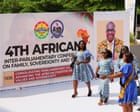
Ghana’s parliamentary speaker, Alban Bagbin, reportedly opened a conference related to the charter, stating that sexual and reproductive rights infringe upon African nations' sovereignty. This sentiment aligns with the charter's underlying philosophy, which emphasizes national sovereignty and cultural distinctiveness as justifications for rejecting external human rights norms.
Critics fear that if adopted, the charter could lead to the systematic dismantling of legal frameworks and policies designed to protect women, girls, and LGBTQ+ individuals. The rejection of comprehensive sex education, for instance, could lead to increased rates of unintended pregnancies and sexually transmitted infections, particularly among young people.
The move also raises concerns about the potential for increased discrimination and violence against LGBTQ+ individuals, as the charter's stance on gender and sexuality could be used to justify discriminatory laws and practices.
Unresolved questions remain regarding the extent of support for this charter among African governments and the specific mechanisms through which it might be implemented across the continent. The international community and human rights organizations are closely monitoring developments, poised to challenge any measures that undermine fundamental human rights.
This article was written by AI based on publicly available news reporting. Original reporting by the linked source.