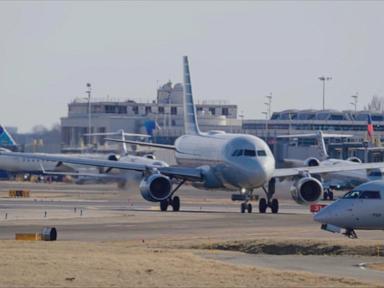
Airlines Slash Flights Amid Unprecedented Surge in Jet Fuel Costs
Airlines are cutting flights as soaring jet fuel prices reach record highs, impacting travel plans for many.
Airlines are beginning to reduce flight schedules as the cost of jet fuel reaches unprecedented levels, signaling potential disruption for travelers. The surge in fuel prices, a major operating expense for airlines, is forcing carriers to reassess their routes and capacity.
This development comes as global energy markets face volatility, with factors such as geopolitical events and supply chain issues contributing to the spike in oil prices. Jet fuel costs have a direct and significant impact on airline profitability and operational decisions.
Industry analysts note that as fuel expenses climb, airlines face difficult choices between absorbing the costs, which erodes profit margins, or passing them on to consumers through higher ticket prices or reduced services. The current environment suggests a shift towards the latter, with flight cancellations and schedule adjustments becoming a more common strategy.
Experts predict that the ongoing rise in jet fuel costs could lead to fewer flight options, particularly for less profitable routes or during off-peak travel times. This situation may also exacerbate existing travel challenges, including delays and increased fares, as the industry navigates these economic pressures.
Clint Henderson, managing editor at The Points Guy, has shared insights into the steps travelers can take if their flights are cancelled. He also indicated that certain flights are at a higher risk of cancellation than others, likely those that are less financially viable under the current cost structure.
While specific airlines and the full extent of the flight reductions have not been detailed, the trend points towards a tightening of capacity in the aviation sector. This adjustment is a direct response to the economic realities imposed by the soaring cost of jet fuel.
Further analysis from oil market observers suggests that current price movements in the energy sector are exceptionally dramatic. One oil analyst described the situation as "never seen anything like this before," underscoring the unusual nature of the price surge.
The implications extend beyond just the number of flights. Travelers may find fewer choices, potentially longer travel times, and a need for greater flexibility when planning trips. The industry will be closely watching how airlines adapt to this challenging economic climate and how consumers respond to potential changes in air travel accessibility and cost.
This article was written by AI based on publicly available news reporting. Original reporting by the linked source.