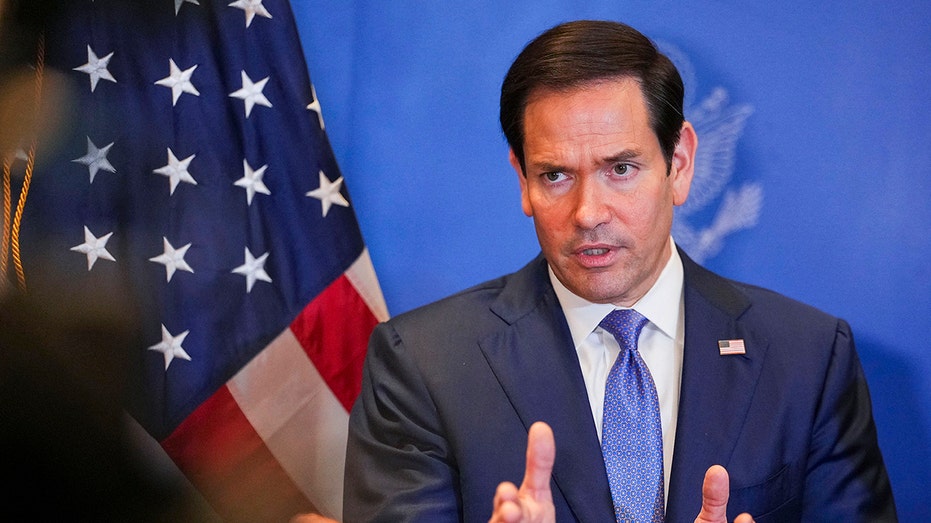
Alleged Cuban influence operative, family detained after Rubio revokes legal status
An alleged Cuban influence operative and their family were apprehended following Senator Marco Rubio's action to revoke their legal immigration status.
An individual alleged by U.S. authorities to be an operative engaged in Cuban influence operations, along with their family members, has been taken into federal custody. The apprehension follows a significant action by Senator Marco Rubio, who played a role in revoking the group's legal immigration status.
The development raises concerns about foreign influence operations within the United States and the effectiveness of immigration enforcement measures designed to counter such activities. The specific nature of the alleged influence operations and the individuals' roles remain under investigation.
Senator Rubio's office confirmed its involvement in the case, stating that the revocation of legal status was a crucial step in addressing potential national security risks. While details are scarce, sources indicate that the operative was involved in activities aimed at shaping public opinion and policy within the U.S. to benefit the Cuban government.
The apprehension highlights the ongoing challenge U.S. agencies face in identifying and neutralizing foreign influence campaigns. The case underscores the complex interplay between immigration law, national security, and foreign policy, particularly concerning nations with adversarial relationships with the United States.
This incident is not the first time concerns have been raised about foreign operatives attempting to influence American politics. Intelligence agencies have repeatedly warned about sophisticated efforts by countries like Russia, China, and Iran to sow discord, spread disinformation, and undermine democratic institutions.
Experts in national security and foreign policy have noted that such operations often exploit the openness of democratic societies. They emphasize the need for robust intelligence gathering, vigilant law enforcement, and clear legal frameworks to protect against these threats.
The specific legal pathways that allowed the alleged operative and their family to remain in the U.S. prior to the revocation of their status are a key focus of the ongoing review. The case may prompt a closer examination of existing immigration policies and their potential vulnerabilities to exploitation by foreign actors.
Further details regarding the individuals' identities, the exact nature of the alleged influence operations, and the specific legal grounds for their apprehension are expected to emerge as the investigation progresses. The outcome of this case could have implications for how the U.S. approaches similar situations in the future.
This article was written by AI based on publicly available news reporting. Original reporting by the linked source.