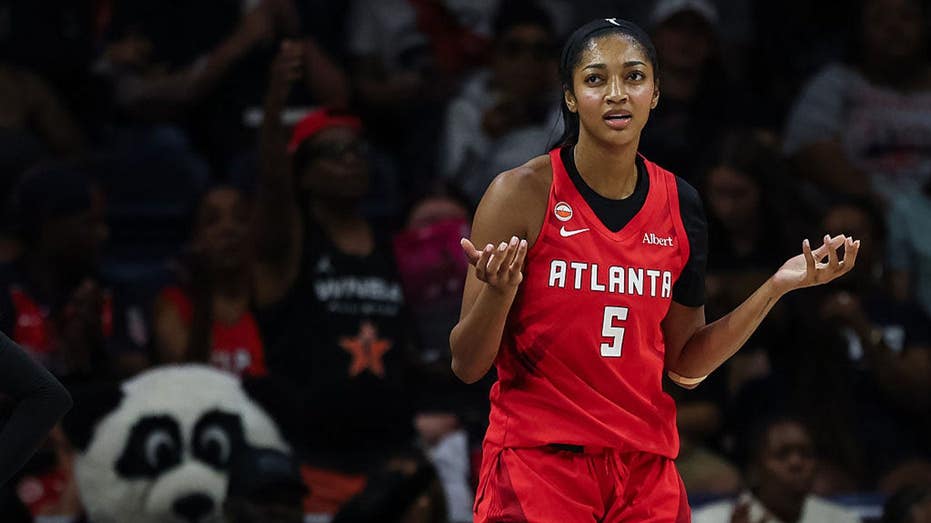
Angel Reese Wins DPOY Amidst Questions of Media Bias
Angel Reese's Defensive Player of the Year award sparks debate, with some suggesting media hype influenced the WNBA vote over statistical leaders.
Chicago Sky forward Angel Reese has been awarded the WNBA Defensive Player of the Year title, a decision that has ignited discussion regarding the voting process and media influence.
The award recognizes Reese's significant impact on defense for the Sky this season, marking a notable achievement in her professional career. However, the announcement has also drawn scrutiny from those who question whether the narrative surrounding the player may have overshadowed other candidates with strong statistical arguments.
Sources indicate that while Reese had a strong defensive season, other players also posted impressive statistics in defensive categories. The debate centers on the perceived influence of media coverage and fan engagement in shaping perceptions and, potentially, votes for such awards.
This controversy raises broader questions about how player performance is evaluated for major awards in professional sports, particularly in leagues where player popularity and media attention can be significant factors. The WNBA has not yet released detailed voting breakdowns for the award.
While Reese's defensive prowess is undeniable, the discourse surrounding her win highlights a recurring tension in sports awards between objective statistical achievement and subjective factors like marketability and media narrative. Critics suggest that awards should be solely based on on-court performance metrics.
Fans and analysts have pointed to other players who led the league in key defensive statistics, such as blocks and steals, as potentially more deserving candidates based purely on numbers. The timing of the award, late in the season, also means that any late-season surges by other players might have been overlooked by voters.
The WNBA has a history of high-profile players receiving significant media attention, which can amplify their recognition. This attention, while beneficial for the league's visibility, can also lead to questions about whether it unduly influences award outcomes.
As the league continues to grow in popularity, the WNBA and its voters face the ongoing challenge of ensuring that awards are perceived as equitable and reflective of the best on-court performances, balancing statistical merit with the broader impact and visibility of players.
This article was written by AI based on publicly available news reporting. Original reporting by the linked source.