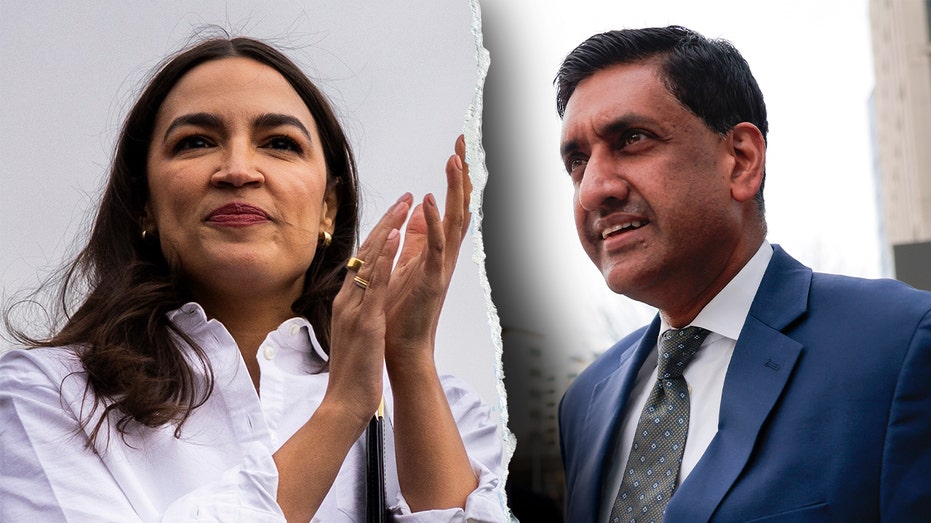
AOC and Khanna Criticize Media's Early 2028 Election Speculation
Reps. Alexandria Ocasio-Cortez and Ro Khanna push back against early media focus on the 2028 presidential election, deeming it premature.
Representatives Alexandria Ocasio-Cortez and Ro Khanna have voiced concerns about the media's accelerating focus on the 2028 presidential election cycle, arguing that such speculation is premature and distracts from current pressing issues.
The pair, prominent figures within the Democratic Party, are reportedly among those being discussed in early analyses of potential future presidential candidates. However, both lawmakers have indicated a desire to concentrate on the immediate political landscape and legislative priorities rather than future electoral contests.
Sources suggest that Ocasio-Cortez and Khanna believe the media's rush to frame the 2028 race, particularly in light of evolving polling data and potential candidate fields, overlooks the significant challenges and responsibilities facing the nation today. Their sentiment reflects a broader unease among some Democrats about the media's tendency to pivot to future elections long before current ones are resolved or immediate policy needs are met.
This early framing of the 2028 election comes amid a backdrop of shifting political dynamics and ongoing debates within the Democratic Party about its future leadership and direction. The focus on potential candidates so far in advance raises questions about what factors are driving this media narrative and whether it serves the public interest.
Experts in political media have noted that the phenomenon of early presidential election coverage is not new, but its intensity and the speed at which it begins seem to be increasing. This can create a self-fulfilling prophecy, where constant discussion of future candidacies can influence public perception and even party strategies.
The lawmakers' public statements, though brief, signal a desire to steer the political conversation toward substantive policy matters rather than speculative electoral prognostication. They appear to be advocating for a more grounded approach to political journalism that prioritizes current events and policy debates over early campaign positioning.
As the political landscape continues to evolve, the extent to which media outlets heed calls to focus on present-day issues versus future election speculation remains to be seen. The dynamic between political figures and media coverage is a constant interplay, and the concerns raised by Ocasio-Cortez and Khanna add another layer to this ongoing discussion.
Future analyses will likely continue to track the media's portrayal of potential 2028 candidates and the responses from political figures who feel the spotlight is being cast too soon, potentially diverting attention from more immediate governmental responsibilities.
This article was written by AI based on publicly available news reporting. Original reporting by the linked source.