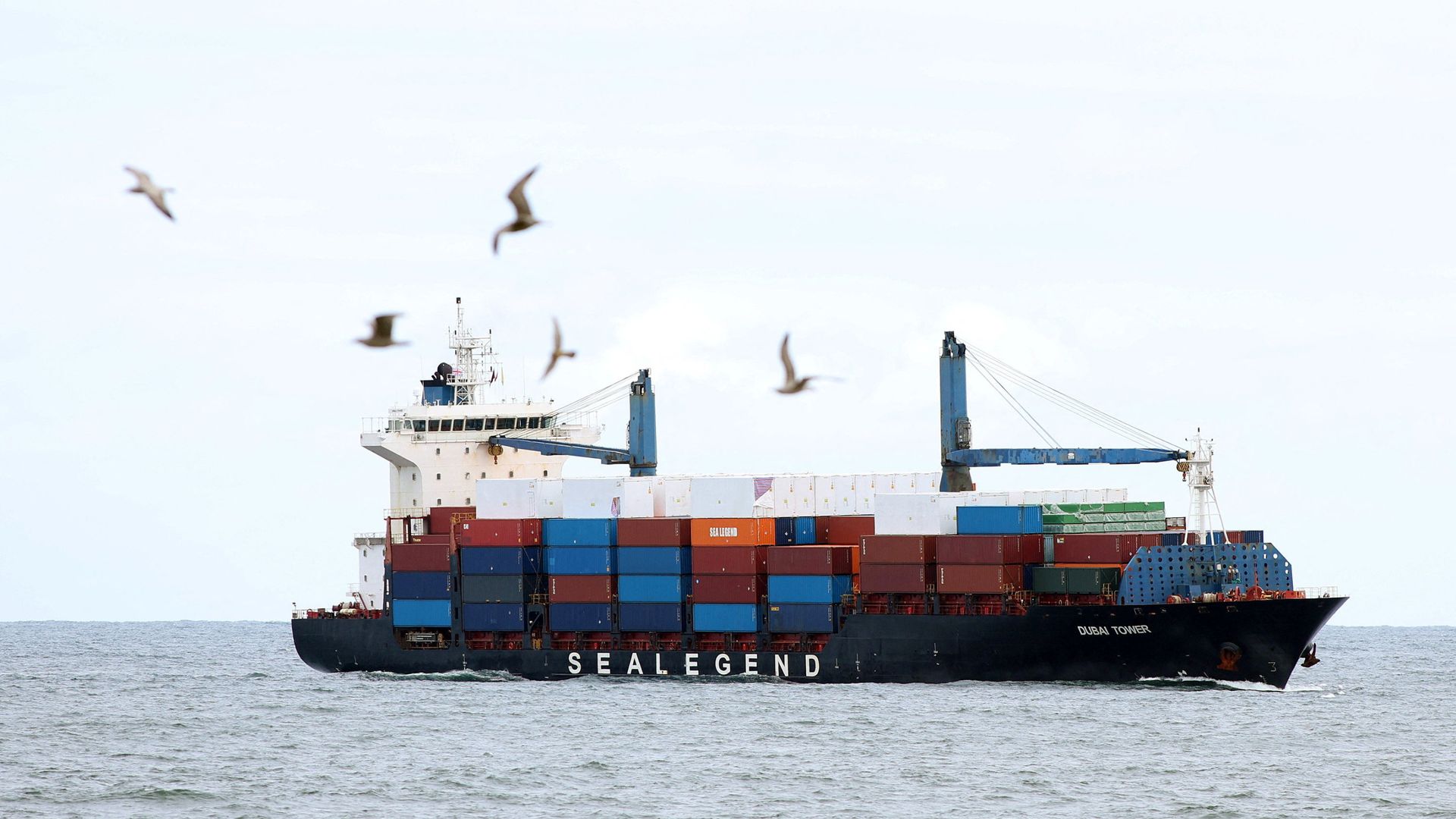
Arctic Route Container Ship Reaches UK, Offering Suez Canal Alternative
A container ship completed a landmark voyage from China to the UK via the Arctic, testing a shorter alternative to the Suez Canal.
A container ship has arrived in the United Kingdom after completing a significant journey from China that traversed the Arctic. This voyage marks a crucial test for a potential new shipping route that could offer a shorter and possibly safer alternative to the traditional Suez Canal passage.
The journey highlights growing interest in utilizing the Northern Sea Route, which has become more accessible due to receding Arctic sea ice. Shipping companies are exploring this path as a way to reduce transit times and potentially lower operational costs, especially amidst ongoing disruptions in other key maritime arteries.
This landmark trip saw the vessel navigate the challenging Arctic waters, demonstrating the feasibility of commercial shipping on this route. While specific details of the cargo and the ship's operator were not immediately disclosed, the successful arrival in the UK is a notable achievement for Arctic maritime exploration.
The implications of this voyage are considerable, potentially reshaping global trade logistics. If proven viable on a larger scale, the Arctic route could reduce journey durations by days or even weeks compared to the Suez Canal, impacting shipping schedules and fuel consumption.
Historically, the Arctic route has been challenging for commercial navigation due to ice cover. However, climate change has led to significant melting, opening up passages for longer periods. This has spurred investment and interest from various nations and shipping industries in developing the infrastructure and safety protocols necessary for regular Arctic transit.
While proponents point to reduced transit times and a potential escape from chokepoints like the Suez Canal, experts also caution about the environmental risks associated with increased shipping in the fragile Arctic ecosystem. Concerns include potential oil spills, increased noise pollution, and the impact on marine life.
Further analysis will be needed to assess the economic viability of the Arctic route, including factors such as icebreaker support, insurance costs, and the seasonal limitations of the passage. The long-term success will depend on balancing the benefits of shorter transit with the environmental and operational challenges.
This successful voyage raises questions about future shipping patterns and the geopolitical significance of the Arctic. As more ships potentially adopt this route, it could lead to increased international cooperation and competition in the region, alongside a greater focus on Arctic governance and environmental protection.
This article was written by AI based on publicly available news reporting. Original reporting by the linked source.