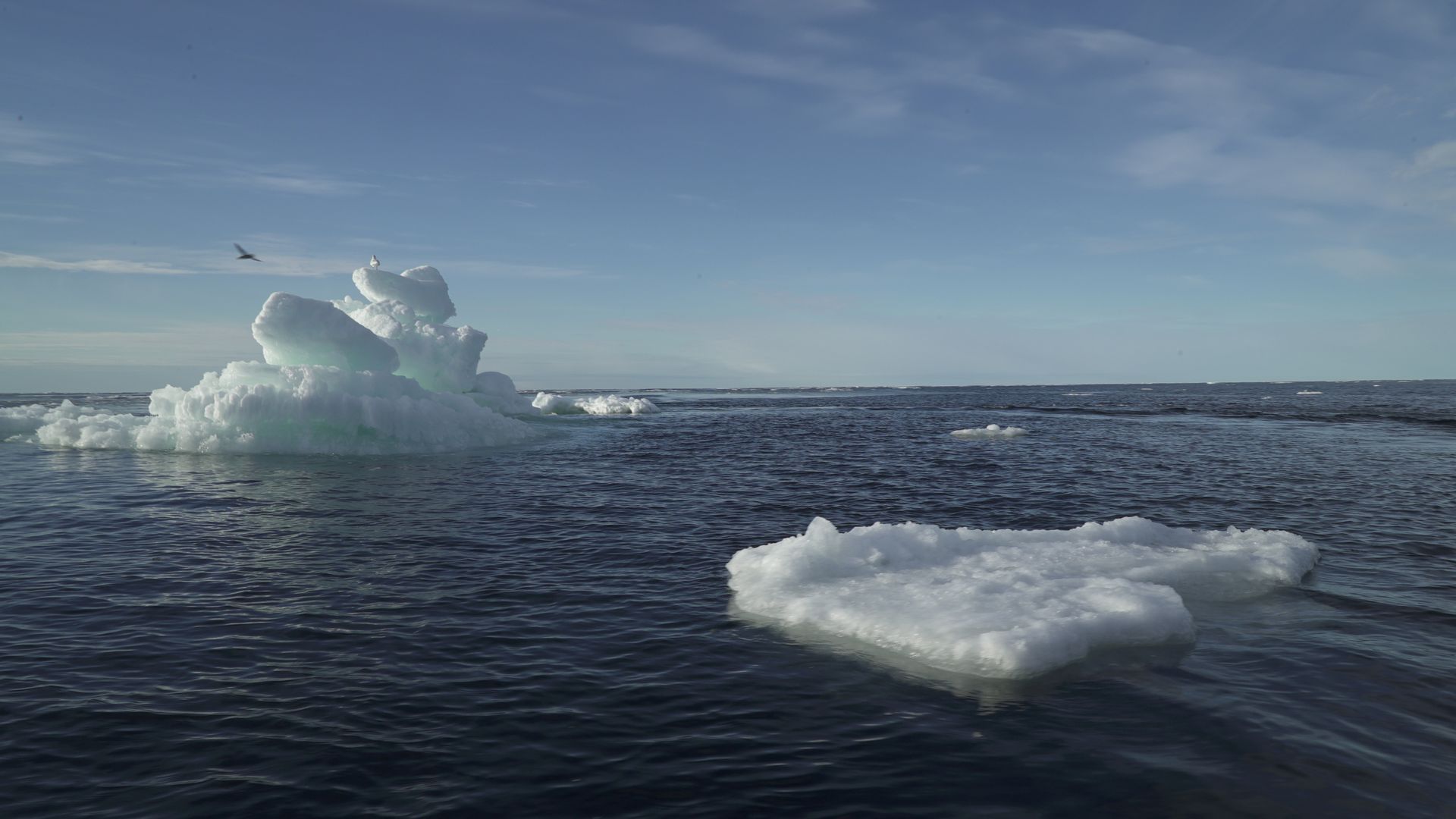
Arctic Sea Ice Rapidly Declines After Decade-Long Slowdown
Arctic winter sea ice is once again melting at an accelerated rate, alarming scientists after a temporary pause in the trend.
Arctic winter sea ice has resumed its rapid decline after a period of slowed melting at the beginning of the decade, according to recent scientific findings. This renewed acceleration in ice loss is raising significant concerns among researchers about the long-term health of the Arctic region and its global implications.
The pause in melting observed in the early 2010s had offered a brief respite, but the current trend indicates a return to more severe melting patterns. This phenomenon is a critical indicator of the planet's warming climate, with the Arctic often considered a bellwether for global environmental changes due to its amplified response to rising temperatures.
Scientists have observed a marked increase in the rate of winter sea ice loss over the past two years. While specific figures detailing the extent of this recent acceleration were not provided, the overall trend is described as a worrying development for the future of Arctic ice cover. The implications of this renewed decline extend beyond the Arctic ecosystem, potentially affecting global weather patterns and sea levels.
The renewed rapid decline suggests that the underlying drivers of Arctic warming, primarily increased greenhouse gas concentrations, continue to exert a powerful influence. Experts warn that sustained melting could lead to irreversible changes in the Arctic environment, impacting wildlife, indigenous communities, and contributing to further global warming through feedback loops.
Historically, the Arctic has experienced significant sea ice loss, with the extent of summer sea ice reaching record lows in recent decades. The winter months, when ice typically reforms and expands, are crucial for the overall health of the ice pack. A failure to adequately rebuild ice during winter weakens the entire system, making it more vulnerable to melting in subsequent summers.
This latest data adds to a growing body of evidence highlighting the profound and ongoing impact of climate change on polar regions. The temporary slowdown had led some to question the pace of change, but the current acceleration underscores the persistent and intensifying nature of Arctic warming.
Further research is underway to fully understand the factors contributing to this renewed decline and to refine projections for the future of Arctic sea ice. Scientists emphasize the need for continued monitoring and robust climate action to mitigate the most severe consequences.
The long-term consequences of continued Arctic ice melt include the potential for increased coastal erosion, disruption of marine ecosystems, and altered ocean circulation patterns, all of which can have far-reaching effects on a global scale.
This article was written by AI based on publicly available news reporting. Original reporting by the linked source.