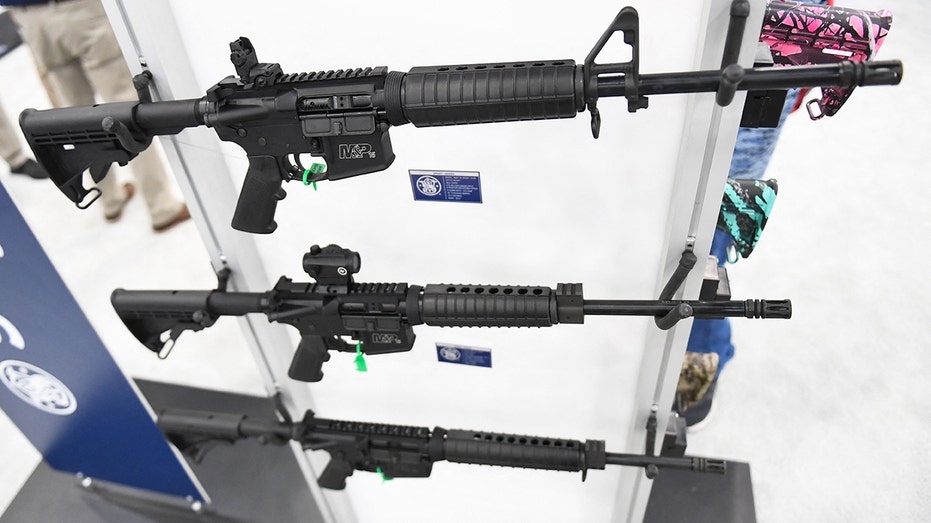
ATF Halts Federal Registration for Silencers, Short-Barreled Rifles
The ATF has suspended rules requiring federal registration for silencers and short-barreled rifles, impacting firearm accessory regulations.
The Bureau of Alcohol, Tobacco, Firearms and Explosives (ATF) has suspended its rules that mandated federal registration for silencers and short-barreled rifles. This move effectively halts the requirement for these specific firearm components to be registered under the National Firearms Act (NFA).
The suspension comes as the agency re-evaluates its regulatory approach to these accessories. Historically, silencers (also known as suppressors) and short-barreled rifles have been subject to stricter regulations due to their classification under the NFA, which requires a federal tax stamp and registration.
Details of the suspension indicate that the ATF is pausing the enforcement of these registration requirements while it conducts a broader review of its policies. The agency has not provided a specific timeline for when a final decision or updated guidance will be issued. This action could significantly alter how these items are regulated and acquired by firearm owners moving forward.
The implications of this suspension are far-reaching for both manufacturers and consumers of these firearm accessories. It introduces a period of uncertainty regarding compliance and the legal status of previously registered items. Experts suggest this could lead to a temporary decrease in the administrative burden associated with NFA items.
Firearm industry stakeholders have long advocated for changes to NFA regulations, arguing that many of the items, like silencers, are primarily used for hearing protection and hunting. The current NFA framework, established in the 1930s, is seen by some as outdated and overly burdensome for common firearm use. The ATF's decision to pause registration reflects ongoing discussions and pressure from advocacy groups.
This suspension does not mean that silencers and short-barreled rifles are no longer regulated. They remain subject to federal laws, and the ATF's review may result in new regulations or a revised interpretation of existing ones. The agency's ongoing examination will determine the future compliance landscape for these items.
While the ATF has not detailed the specific reasons for the suspension, it is understood to be part of a broader effort to assess and potentially streamline regulations. The agency is expected to gather further public comment and legal analysis during this review period.
For now, the immediate effect is a pause on the federal registration process for these specific firearms and accessories, creating a temporary shift in regulatory oversight. The outcome of the ATF's review will be closely watched by gun rights advocates, industry members, and law enforcement.
This article was written by AI based on publicly available news reporting. Original reporting by the linked source.