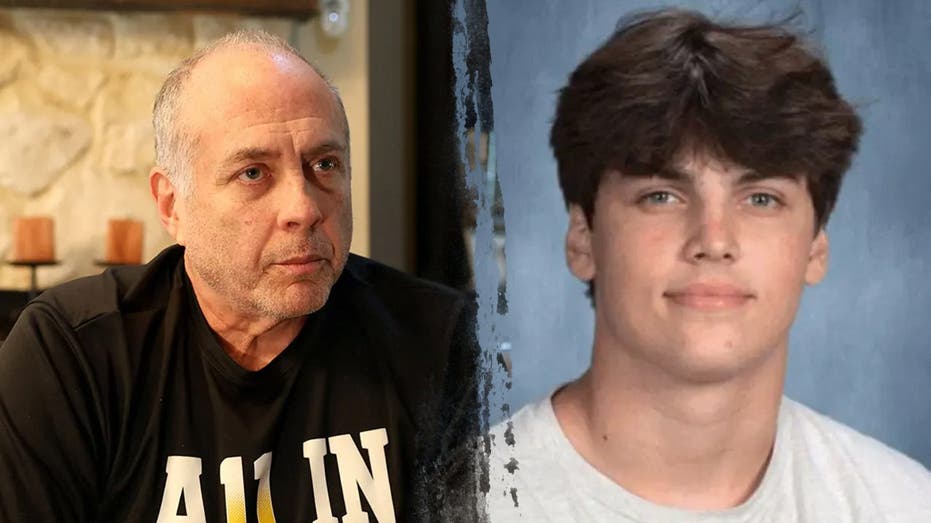
Austin Metcalf's Father Accuses Media Pundits of Monetizing Son's Death
Austin Metcalf's father criticized media pundits for allegedly profiting from his son's death for 'clicks' and 'ratings'.
The father of Austin Metcalf has publicly accused media pundits of exploiting his son's death for personal gain, alleging they are attempting to "monetize" the tragedy for "clicks" and "ratings." The remarks come amid ongoing media coverage surrounding the circumstances of Metcalf's passing.
Metcalf's father expressed his deep disappointment with how certain media figures have reportedly engaged with the story. He believes these individuals are prioritizing sensationalism and financial benefit over respectful and factual reporting of his son's life and death. This sentiment highlights a growing concern among families of victims about the media's role in covering sensitive and tragic events.
Details regarding the specific media outlets or personalities targeted by the accusation were not immediately disclosed. However, the father's statement suggests a pattern of behavior he views as exploitative. He indicated that the focus has shifted from honoring his son's memory to generating revenue through the narrative of his death.
The implications of such accusations point to a broader ethical debate within the news industry. Families are increasingly vocal about the pressure they face from media attention following personal tragedies, and the potential for exploitation can add immense emotional strain during a period of grief.
This situation raises questions about journalistic responsibility when reporting on sensitive topics. While media coverage can bring attention to important issues and provide a platform for victims' stories, the line between informative reporting and sensationalism can become blurred. The father's statement suggests that, in his view, this line has been crossed.
Experts in media ethics have often discussed the challenges of balancing the public's right to know with the privacy and dignity of individuals affected by tragedy. The pursuit of ratings and engagement can sometimes lead to practices that are perceived as intrusive or disrespectful, particularly when dealing with the loss of life.
While the specific financial arrangements or motivations of the accused pundits remain unconfirmed by independent sources, the father's public statement serves as a significant critique. It underscores the emotional toll that extensive and, in his opinion, exploitative media coverage can have on grieving families.
Moving forward, the father's accusation may prompt further discussion about the ethical guidelines governing media coverage of personal tragedies and the impact of online metrics like "clicks" on journalistic practices. The need for sensitivity and respect in reporting remains a critical, often debated, aspect of the news profession.
This article was written by AI based on publicly available news reporting. Original reporting by the linked source.