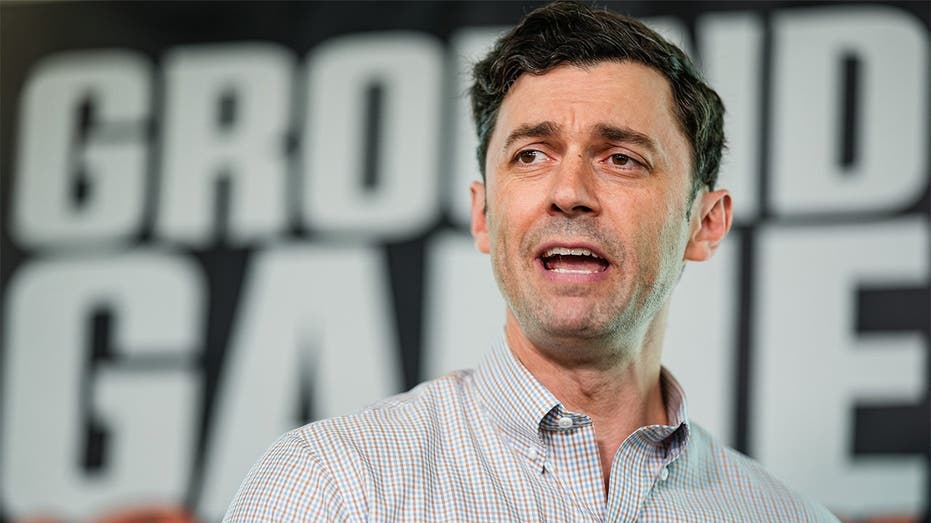
Axelrod Criticizes Ossoff's Viral Attack on Trump as 'Gratuitous'
David Axelrod, a former Obama strategist, called Jon Ossoff's viral attack on Donald Trump 'gratuitous and unnecessary.'
David Axelrod, a veteran Democratic strategist who advised former President Barack Obama, has publicly criticized a recent viral attack made by Senator Jon Ossoff against former President Donald Trump. Axelrod described the remarks as "gratuitous and unnecessary," suggesting they were counterproductive.
The comments from Axelrod, who is a senior political commentator and professor, signal a potential internal disagreement within Democratic circles regarding campaign tactics. Ossoff, a rising figure in the Democratic Party and currently representing Georgia in the Senate, had made a strong public statement targeting Trump. While the specific details of Ossoff's attack were not elaborated upon, Axelrod's assessment implies a concern about the tone and potential impact of such rhetoric.
Axelrod, known for his strategic insights, emphasized that while challenging political opponents is a standard part of campaigning, the nature of Ossoff's statement crossed a line into being unhelpful. He suggested that the attack lacked a clear strategic purpose and may have been more about personal animosity than effective political messaging. This critique comes at a time when Democratic candidates are strategizing for upcoming elections, making Axelrod's public dissent notable.
The implications of Axelrod's remarks could influence how other Democratic campaigns approach their messaging, particularly concerning attacks on Trump. A seasoned strategist like Axelrod carries significant weight, and his critique might encourage a more measured or strategic approach to political discourse. It raises questions about the balance between aggressive campaigning and maintaining a level of decorum that resonates with a broader electorate.
Ossoff, who won a pivotal Senate race in Georgia in 2021, has been seen as a prominent figure with a bright future in the Democratic Party. His ability to navigate national political narratives while representing a key swing state like Georgia is closely watched. Axelrod's criticism, therefore, is not just about a single remark but potentially about the broader strategy employed by emerging Democratic leaders.
This incident also highlights the ongoing debate within the party about how best to engage with Donald Trump and his supporters. While some Democrats advocate for direct and aggressive confrontation, others, like Axelrod appears to be suggesting, may favor a more nuanced or policy-focused approach. The effectiveness of different communication strategies is a perennial concern for political strategists.
Axelrod's public commentary serves as a reminder of the complex calculations involved in modern political campaigning. The viral nature of political content means that even seemingly minor remarks can gain significant traction, necessitating careful consideration of every word and its potential reception. The debate over Ossoff's remarks underscores the fine line between impactful criticism and unnecessary provocation.
Moving forward, it remains to be seen whether Ossoff or his campaign will respond to Axelrod's critique, or if this instance will influence his future messaging. The broader Democratic Party will likely continue to grapple with the most effective ways to counter Republican opponents, particularly Donald Trump, in the current political climate.
This article was written by AI based on publicly available news reporting. Original reporting by the linked source.