Ex-Belgian Diplomat Étienne Davignon Dies Before Lumumba Murder Trial
Former Belgian diplomat Étienne Davignon, charged in Patrice Lumumba's murder, died at 93 before his war crimes trial could begin.
Étienne Davignon, a 93-year-old Belgian former diplomat and industrialist, has died before he could stand trial for alleged involvement in the 1961 assassination of Congolese leader Patrice Lumumba. Davignon was the last living individual targeted in the investigation into Lumumba’s death.
His death was confirmed by the Jacques Delors Institute thinktank, where he had served on its board. In March, Davignon was ordered to stand trial for war crimes, marking a significant, albeit late, attempt to bring accountability for one of the 20th century's most consequential political assassinations.
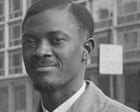
Lumumba, the first prime minister of the Democratic Republic of the Congo upon its independence from Belgium in 1960, was ousted from power and killed by Belgian-backed secessionist rebels on January 16, 1961. His murder remains a dark stain on Belgium's colonial past and a pivotal moment in the broader context of African liberation movements.
Prosecutors had accused Davignon, who was a junior diplomat at the time of Lumumba's death, of participating in the unlawful detention and transfer of Lumumba, thereby depriving him of his right to a fair trial. He was also implicated in the deaths of two of Lumumba's political allies, Maurice Mpolo and Joseph Okito.
Davignon had consistently denied any wrongdoing. At the time of his passing, he was awaiting the outcome of an appeal against the Belgian court's decision to send him to trial. The court's earlier ruling had been met with a positive response from the Lumumba family, who expressed hope for shedding light on the events surrounding their patriarch's death.
The assassination of Patrice Lumumba had profound and lasting repercussions, not only for the Democratic Republic of the Congo but also for international relations during the Cold War. Lumumba was a charismatic figure who advocated for genuine independence and non-alignment, making him a controversial figure for both Belgian colonial interests and global superpowers.
Belgium has faced increasing pressure over decades to acknowledge its role in Lumumba's death and to reckon with its colonial legacy. Various parliamentary inquiries and investigations have been conducted, but a criminal trial for those directly involved had remained elusive until the recent proceedings against Davignon.
The death of Étienne Davignon before facing trial means that the full truth behind the assassination may never be definitively established in a court of law. Unresolved questions persist regarding the extent of involvement by various actors, including Belgian officials, Belgian and Congolese politicians, and potentially foreign intelligence agencies.
This article was written by AI based on publicly available news reporting. Original reporting by the linked source.