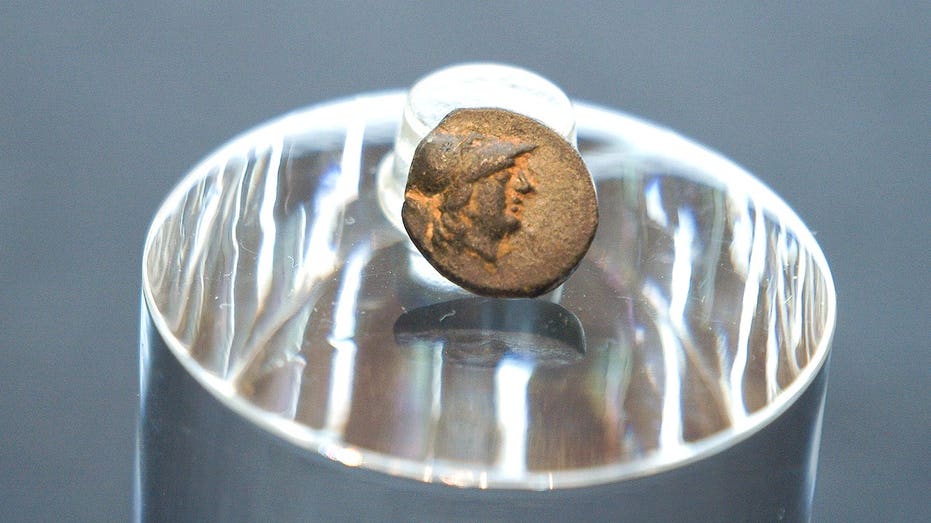
Berlin Teen Finds First Ancient Greek Coin Ever Discovered in City
A Berlin teenager's discovery of an ancient Greek coin in the city has puzzled archaeologists, marking the first such find.
A significant archaeological discovery has been made in Berlin, Germany, after a teenager unearthed an ancient Greek coin within the city limits. The find is notable as it represents the first ancient Greek coin ever recorded as being discovered in Berlin, prompting questions about its journey to the German capital.
The coin, believed to be from the ancient Greek city of Amphipolis, dates back to the 5th century BC. Its presence in Berlin is highly unusual, as Amphipolis was a prominent city in ancient Thrace, located in modern-day Greece. Archaeologists are now working to understand how the artifact traveled so far from its place of origin.
Initial examinations suggest the coin is in good condition, offering a tangible link to a distant past. The teenager who found the coin made the discovery while exploring a forest area. The artifact was subsequently handed over to the relevant authorities for expert analysis. The specific denomination and imagery on the coin are still being studied, but its classification as an ancient Greek artifact is considered definitive.
This discovery opens a new chapter in Berlin's archaeological landscape, suggesting that the city's history may hold more layers than previously understood, potentially involving ancient trade routes or the movement of people and goods across vast distances centuries ago. The implications for understanding historical connections and migration patterns are considerable.
While the exact circumstances of the coin's arrival in Berlin remain a mystery, experts are exploring various possibilities. One theory suggests it could have been brought to the region by collectors or travelers in more recent centuries, eventually being lost or discarded. Another possibility, though less likely given the distance, involves ancient trade networks or migratory paths that extended further than currently documented.
Archaeological finds of ancient coins often provide invaluable insights into the economic, political, and social structures of the societies that produced them. The iconography and inscriptions on coins can reveal rulers, deities, and significant events of their time. The discovery in Berlin is expected to contribute to the understanding of ancient Greek influence and its reach.
Further research will involve detailed metallurgical analysis of the coin to confirm its composition and origin. Comparative studies with other known artifacts from Amphipolis and surrounding regions will also be crucial in piecing together its provenance. The historical context of Berlin itself, a city with a long and complex history, is also being considered in relation to this unusual find.
The find underscores the potential for unexpected discoveries, even in well-explored urban environments. It also highlights the importance of public engagement with archaeology, as the initial discovery was made by a young resident, demonstrating that significant historical artifacts can be found anywhere.
This article was written by AI based on publicly available news reporting. Original reporting by the linked source.