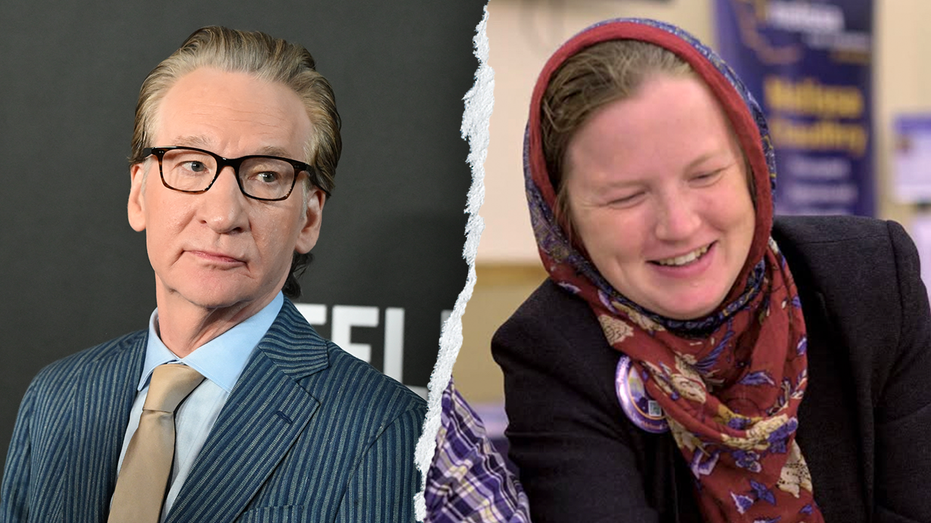
Bill Maher Criticizes Seattle Candidate for Compromising LGBT Rights for Muslim Votes
Bill Maher slammed a Seattle candidate for allegedly abandoning LGBT rights to appeal to Muslim voters, calling it a betrayal of liberal values.
Comedian and "Real Time" host Bill Maher has sharply criticized a Seattle City Council candidate, accusing them of sacrificing core liberal values, specifically LGBTQ+ rights, in an effort to appease Muslim voters.
Maher voiced his strong disapproval on his show "Real Time," highlighting what he perceives as a troubling trend where progressive politicians may compromise on certain rights or principles to gain support from specific demographic groups. The candidate in question, according to Maher, was reportedly willing to downplay or alter their stance on LGBT issues to secure votes from the Muslim community.
During his monologue, Maher expressed dismay that a candidate running on a progressive platform would allegedly consider retracting support for the LGBT community. He framed this as a "betrayal" of fundamental liberal tenets, suggesting that such a move prioritizes political expediency over genuine commitment to human rights and equality.
Maher's remarks underscore a broader debate within progressive circles about identity politics, coalition building, and the potential for conflicts between different social justice agendas. Critics of such alleged political maneuvering argue it can dilute the movement's core principles and alienate long-standing allies.
The comedian's commentary drew attention to the complex dynamics of political campaigning in diverse urban centers, where candidates often navigate the needs and expectations of various cultural and religious groups. Maher suggested that this particular candidate's alleged strategy represents a failure to uphold inclusive values, even when faced with the opportunity to build a broader political base.
While specific details about the candidate's exact statements or policy shifts were not fully elaborated in the provided context, Maher's critique focused on the principle of compromising on LGBT rights. He implied that this action contradicts the historical stance of many liberal politicians who have championed these rights.
The situation raises questions about how political parties and candidates balance the advocacy for minority rights with the need to form broad electoral coalitions. Maher's strong reaction suggests a concern that such compromises could erode the foundational commitments of progressive movements.
Further discussion is likely to emerge regarding the candidate's platform and the broader implications for political representation and the advocacy of rights in diverse communities.
This article was written by AI based on publicly available news reporting. Original reporting by the linked source.