Billionaire Tax, Transgender Rights, Voter Access Dominate Midterm Ballots
Voters in the midterm elections will decide on key ballot measures concerning billionaire taxes, transgender rights, and voter access across multiple states.
As the nation focuses on the upcoming midterm elections and the potential shifts in congressional power, voters in numerous states and cities will grapple with significant ballot measures that could enact long-lasting changes. These proposals span a wide range of critical issues, including taxation, transgender rights, and the fundamental accessibility of voting.
The midterm elections present voters with a diverse set of state and local ballot initiatives, offering a direct avenue for citizens to shape policy beyond the election of representatives. These measures address complex societal debates and could have substantial economic and social repercussions for years to come.
In the realm of taxation, at least one state is considering a "billionaire tax," a proposal targeting high earners. While specific details on the tax rate and thresholds are not provided, such measures often aim to increase revenue for public services and address wealth inequality. Additionally, issues surrounding gender and transgender rights are prominent on ballots in several states. Four states—Arizona, Colorado, Nebraska, and Washington—will have voters decide on measures that would restrict participation in sports based on sex assigned at birth. Washington's measure specifically requires female student athletes to provide healthcare documentation verifying their sex.
The implications of these ballot measures are far-reaching. Decisions on voting access could alter the electorate for future elections, while those concerning transgender rights may set precedents for legal and social protections. Tax measures, if passed, could significantly impact state economies and revenue streams.
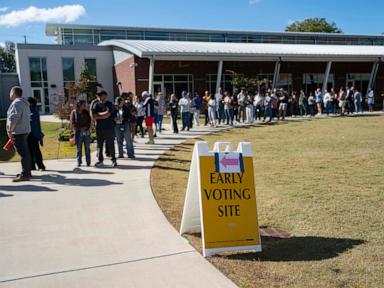
Beyond the measures directly addressing gender and sports, voter access and rights are a major focus. Thirteen states have ballot initiatives that could impact how citizens vote. Measures in California, Colorado, Nevada, North Carolina, and Arizona propose implementing voter identification laws. Nevada voters previously approved a similar measure, but state constitutional requirements mandate approval in two consecutive elections for it to pass.
Further complicating voter access, several states are clarifying who is eligible to vote. While federal law prohibits noncitizens from voting, many state constitutions or laws do not explicitly state this. Alaska, Arizona, South Dakota, Kansas, Arkansas, and West Virginia have ballot measures that would explicitly mandate that only U.S. citizens can vote in state-administered elections. This comes amid some political calls to address noncitizen voting, though documented cases have been rare.
Conversely, two states are looking to expand voter access. In Massachusetts, voters will consider implementing same-day voter registration, allowing individuals to register and vote on Election Day itself. Virginia's ballot measure proposes restoring voting rights to formerly incarcerated citizens upon their release from prison.
These varied ballot measures highlight a growing trend of direct democracy being used to tackle contentious issues, reflecting the ongoing debates shaping American society and governance ahead of the midterm elections.
This article was written by AI based on publicly available news reporting. Original reporting by the linked source.