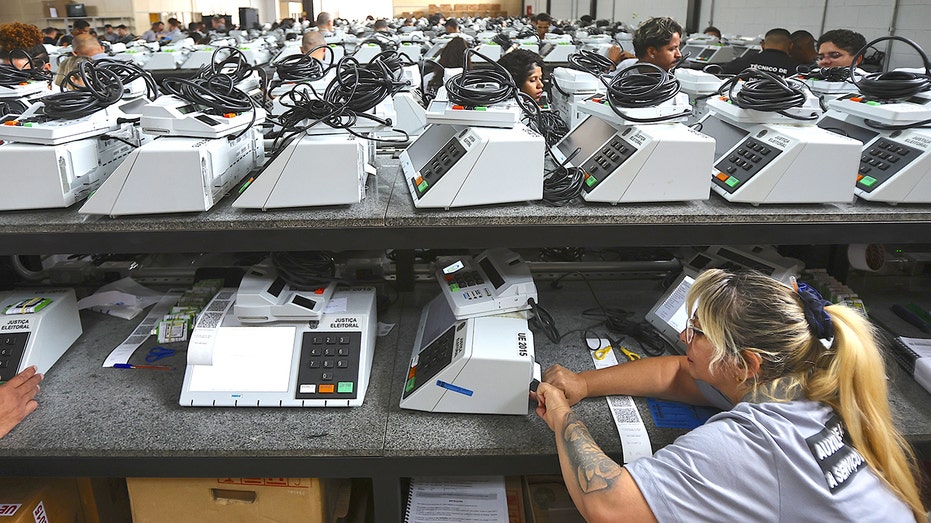
Brazil's Fast Electronic Voting System Outshines US Security Ahead of Midterms
Brazil's electronic voting machines boast rapid, secure results, prompting scrutiny of U.S. midterm election security.
Brazil's electronic voting system, renowned for its speed and security, is drawing international attention, particularly as the United States approaches its midterm elections. The South American nation has utilized electronic voting machines for over two decades, successfully processing millions of votes quickly and efficiently.
This advanced system has consistently delivered election results on the same day they are cast, a stark contrast to the often drawn-out vote-counting processes seen in other countries. The technology's reliability and the swiftness of its results have bolstered public confidence in Brazil's electoral integrity.
Brazil's Superior Electoral Court (TSE) has been at the forefront of developing and implementing these secure electronic voting machines. These machines are designed with multiple layers of security to prevent fraud and ensure that each vote is accurately recorded and tallied. The system undergoes rigorous testing and auditing procedures.
As the U.S. prepares for its upcoming midterm elections, where the security and speed of vote tabulation are critical concerns for voters and election officials alike, Brazil's model offers a potential benchmark. The efficiency demonstrated by Brazil's system could serve as a point of comparison and a source of insights for nations seeking to enhance their own electoral processes.
The Brazilian system's success is rooted in its integrated approach, combining secure hardware with robust software and strict procedural controls. The machines are not connected to the internet during voting, significantly reducing the risk of cyberattacks. Furthermore, audit trails are maintained for every vote cast, allowing for verification.
Election officials in Brazil have expressed confidence in their system, highlighting its track record of accuracy and its ability to withstand challenges. The TSE regularly engages with international observers and electoral experts, sharing its experiences and best practices.
Comparisons between Brazil's system and those used in the United States often highlight differences in technology adoption and the speed of result reporting. While the U.S. utilizes a variety of voting methods, including paper ballots and some electronic machines, the nationwide implementation of a unified, rapid electronic system like Brazil's has not yet been realized.
Unresolved questions remain regarding the potential for widespread adoption of similar technologies in countries with different political landscapes and infrastructure. However, Brazil's experience underscores the significant advancements possible in ensuring both the security and the efficiency of democratic elections through technological innovation.
This article was written by AI based on publicly available news reporting. Original reporting by the linked source.