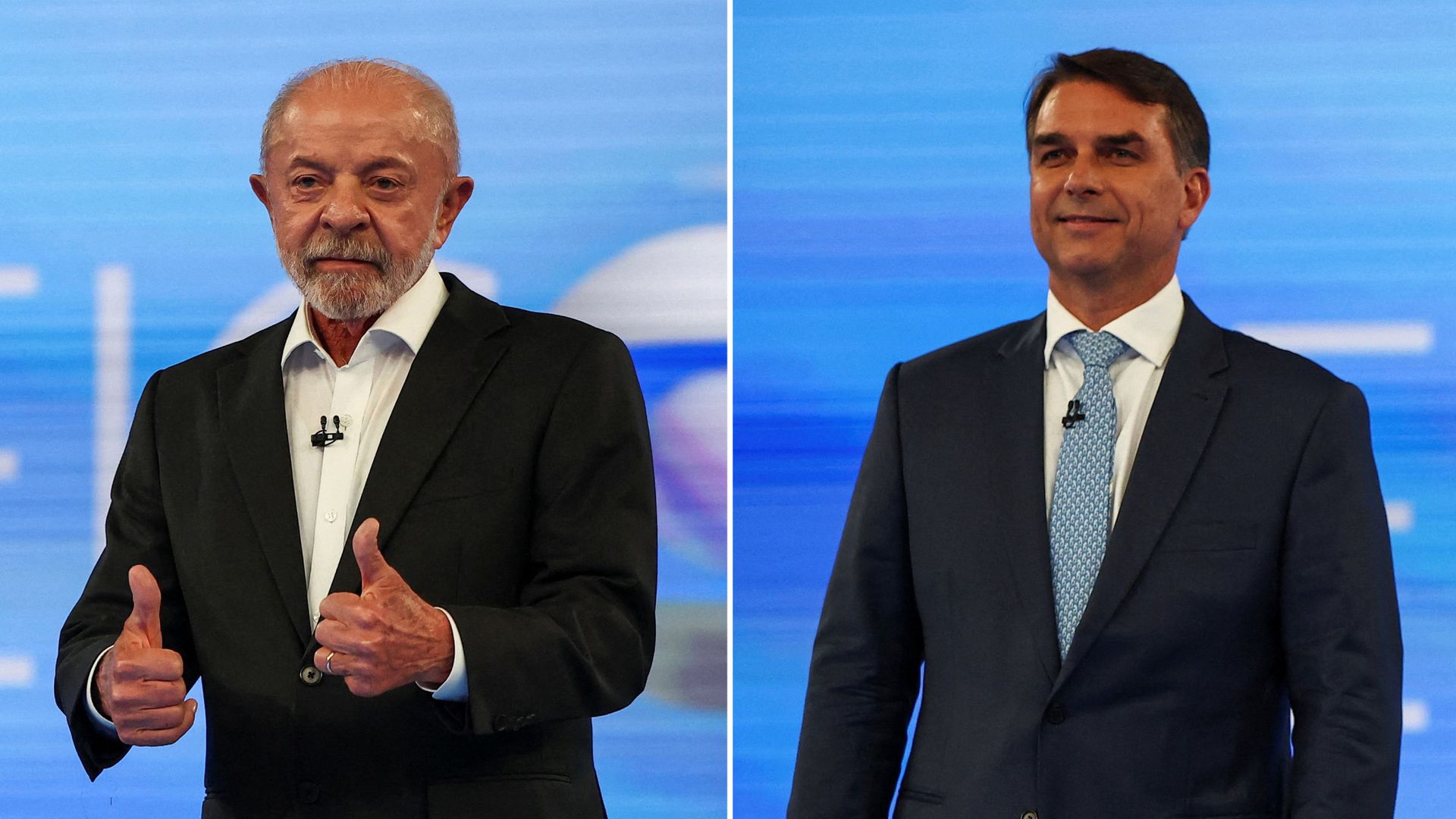
Brazil's Presidential Runoff: Lula and Bolsonaro in Tight Race Today
Brazilians vote Sunday in a closely watched presidential runoff election between left-winger Lula da Silva and Jair Bolsonaro.
Brazilians are heading to the polls today, Sunday, to cast their votes in a highly anticipated presidential runoff election. The outcome of this vote is being closely observed on a global scale, as it pits two starkly different visions for the country against each other.
The election is a culmination of a deeply polarized political landscape, with the two leading candidates representing opposing ideologies and approaches to governing Brazil. The results will likely shape the nation's economic policies, environmental strategies, and its role in international affairs for years to come.
Recent polling data indicates an extremely tight race between the two contenders. The left-wing candidate, Luiz Inácio Lula da Silva, often referred to as Lula, and the incumbent president, Jair Bolsonaro, who has aligned himself with former U.S. President Donald Trump, are virtually tied. This narrow margin suggests a very close contest that could be decided by a small percentage of the electorate.
The implications of this election extend beyond Brazil's borders. International markets and foreign governments will be keenly interested in the result, as Brazil is a major global player in agriculture, commodities, and environmental policy, particularly concerning the Amazon rainforest.
Lula, a former two-term president, is running on a platform that emphasizes social programs, poverty reduction, and environmental protection. His supporters see him as a champion of the working class and a restorer of Brazil's international standing. However, his past tenure also faced scrutiny over corruption allegations.
President Bolsonaro, on the other hand, has campaigned on a platform of conservative values, economic liberalization, and a strong stance on law and order. His supporters often point to his efforts to combat crime and his alignment with nationalist sentiments. Critics, however, have raised concerns about his rhetoric, environmental policies, and handling of the COVID-19 pandemic.
The runoff follows an initial election round where neither candidate secured more than 50% of the vote, necessitating a second round to determine the winner. The campaign has been marked by intense debate and sharp divisions among the Brazilian populace, reflecting the deep ideological rifts within the country.
As the nation awaits the final tally, many questions remain about the future direction of Brazil, regardless of who emerges victorious. The ability of the winning candidate to unite a fractured country and implement their agenda will be a significant challenge in the coming years.
This article was written by AI based on publicly available news reporting. Original reporting by the linked source.