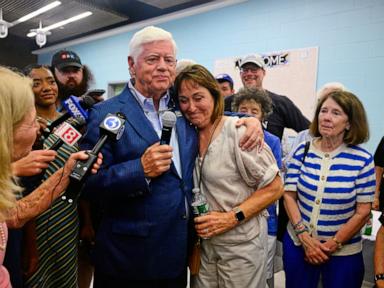
Bronin Defeats Larson, Signaling Generational Shift in Democratic Party
Luke Bronin defeated long-term incumbent John Larson, highlighting a voter preference for new leadership over age and policy.
In a pivotal election night for the Democratic Party, voters in Connecticut’s 1st Congressional District sent a clear message about generational change, soundly defeating 14-term incumbent John Larson in favor of challenger Luke Bronin. The race, held on August 11, 2026, was largely defined by a 30-year age gap between the candidates, rather than significant policy disputes.
Bronin, the 47-year-old former mayor of Hartford, positioned his campaign as a call for a new generation of Democratic leaders. His victory is seen by many as a direct response to the party's struggles in recent elections, particularly following President Joe Biden's decision to end his re-election bid due to age concerns. Bronin's win suggests a voter appetite for a shift in the party's leadership.
Larson, 78, was a significant figure within the party, poised to play an influential role in a potential Democratic majority and a champion for expanding and fortifying Social Security benefits. However, a public medical episode on the House floor in February 2026, later attributed to a complex partial seizure, became a focal point for frustrations among Democrats regarding the age of many in Congress.
The outcome in Connecticut adds to a broader narrative of internal party dynamics. While Democrats engage in significant debates between progressive and moderate factions over the party's direction and messaging, this election result offers a distinct signal. The generational divide appears to be a more decisive factor for voters than the ideological battles that have characterized recent primary seasons.
Recent primary results, such as the narrow victory of Abdul El-Sayed in Michigan's Senate race and the competitive Wisconsin gubernatorial contest, have fueled arguments from both wings of the party. These outcomes raise questions about whether progressive candidates can not only win internal party debates but also secure victories in competitive districts and states, ultimately persuading independent and swing voters.
While the ideological arguments within the Democratic Party are ongoing, the Connecticut race suggests that the age and perceived vitality of candidates are significant considerations for the electorate. Bronin's successful appeal for new leadership indicates that voters are looking for a change in representation, particularly in light of concerns about the age of current officeholders.
Further analysis of the November elections will be crucial in determining whether this generational preference translates into broader electoral success for the Democratic Party. The interplay between ideological alignment and generational appeal will likely continue to shape the party's future.
Unresolved questions remain about how effectively the party can unify behind new leadership and whether this generational shift can be sustained across different types of races and states.
This article was written by AI based on publicly available news reporting. Original reporting by the linked source.