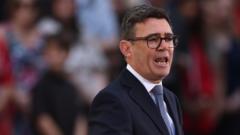
Burnham Backtracks on Tax Allowance Hike Amid Fiscal Concerns
Prime Minister Andy Burnham has withdrawn support for increasing the tax-free personal allowance due to significant costs.
Prime Minister Andy Burnham has stepped back from suggestions to increase the tax-free personal allowance, citing the United Kingdom's challenging financial circumstances. The £12,570 threshold, which has remained frozen since 2021, has led to more individuals paying income tax as their earnings rise. Burnham had previously indicated that concerns about the allowance were lodged in his mind following campaigning in the Makerfield by-election.
Burnham's shift comes after he emphasized the need for fiscal discipline in his first cabinet meeting, stating a commitment to fiscal rules and the readiness to make difficult decisions. This stance aligns with the Labour party's 2024 manifesto, which explicitly ruled out increasing income tax rates for basic, higher, or additional earners. Consequently, raising the top rate of income tax to offset the cost of an increased personal allowance is not an option.
The potential cost of unfreezing the personal allowance is substantial. The Institute for Fiscal Studies has estimated that such a move could incur an annual cost of £8.5 to £9 billion. Burnham acknowledged the issue's visibility and impact, noting that while it would be reviewed in the upcoming budget, the current financial climate makes it difficult.
Government sources have indicated to the Telegraph that no immediate changes to the £12,570 personal allowance are planned. This suggests a cautious approach from the administration, prioritizing fiscal stability over immediate tax relief on this specific front.
Burnham has declared his intention to lead a "cost of living government" and has urged ministers to re-evaluate budget allocations. Earlier this week, he announced a cut in VAT on household electricity bills from October 1, projected to save typical households around £45 annually. This measure, estimated to cost £850 million, is to be funded by scrapping the proposed digital ID scheme, a plan that has already faced scrutiny.
Former Chief Secretary to the Prime Minister, Darren Jones, disputed the funding mechanism for the digital ID scheme, suggesting it was unfunded. A spokesperson for the Prime Minister maintained that savings identified by departments would be redirected to cover the digital ID scheme's costs. Further measures to alleviate the cost of living pressures for working Britons are expected later this week.
Looking ahead, Burnham is anticipated to announce a reduction in the national cap on bus fares outside London, lowering it from £3 to £2, effective from January. This policy, alongside the VAT cut, signals the government's focus on tangible measures to support households.
The administration faces the task of outlining how its new policies will be financed in the upcoming budget. The debate over fiscal responsibility versus immediate cost-of-living support remains a central challenge for Burnham's government as it navigates economic pressures and public expectations.
This article was written by AI based on publicly available news reporting. Original reporting by the linked source.