Burnham Chairs First Cabinet, Vows to Tackle Living Costs
Prime Minister Andy Burnham chaired his first cabinet meeting, prioritizing the cost of living and announcing a VAT cut on energy bills.
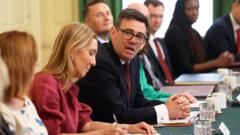
Prime Minister Andy Burnham chaired his first cabinet meeting on Tuesday, signaling a strong focus on the escalating cost of living crisis. Addressing his newly appointed top team, Burnham emphasized that addressing expenses would be a key priority, aiming to assure the public that help is on the way.
This directive follows Burnham's initial major announcement since taking office: a planned cut to VAT on household energy bills, set to take effect from October. This policy aims to provide immediate financial relief to consumers struggling with rising energy costs.
However, the funding for this VAT cut has sparked an early political debate. Burnham's plan involves reallocating funds previously earmarked by the prior government for Sir Keir Starmer's proposed digital ID scheme. Downing Street stated that the estimated £850 million cost of the VAT cut for the remainder of the financial year could be covered by £1.8 billion set aside over three years for the digital ID project.
Critics, including Darren Jones, a former minister who was among those removed from the cabinet, have questioned the funding of the digital ID scheme itself, suggesting it was unfunded. Opposition parties, such as Conservative shadow chancellor Sir Mel Stride, have also raised concerns, pointing to the government's budget watchdog, which had previously indicated that funding for the digital ID was to be sourced from existing budgets.
A spokesperson for the Prime Minister defended the plan, insisting that the policy would be funded by redirecting savings that departments had identified, intended to cover the cost of the digital ID scheme. The government maintains that the VAT cut is financially viable through these reallocations.
The reshuffle also saw significant changes in ministerial appointments. Starmer loyalists like Rachel Reeves and David Lammy were notably removed from government positions. In contrast, Ed Miliband has been appointed as Foreign Secretary, and Louise Haigh, an ally of Burnham, has been given a prominent role leading the Cabinet Office.
Miatta Fahnbulleh, who has been promoted to Energy Secretary and is also considered a Burnham ally, addressed the reshuffle. She denied that the changes constituted a purge of Starmer supporters, stating that cabinet positions are not guaranteed and that the current cabinet reflects a diversity of viewpoints.
Meanwhile, the new Chancellor, John Healey, speaking to Treasury staff, identified fiscal discipline regarding tax and spending as his primary duty. He reiterated his commitment to the tax and spending rules established by his predecessor, while also indicating an intention to maximize public investment within the established fiscal framework, alongside private and international investment.
This article was written by AI based on publicly available news reporting. Original reporting by the linked source.