Burnham: Nuclear Sub Investment Protects UK, Creates 47,000 Jobs
Prime Minister Andy Burnham announced £8.4bn for nuclear submarines, citing national security and job creation for 47,000 people.
Prime Minister Andy Burnham has stated that ongoing investment in the UK's nuclear submarine program will not only ensure national security for decades but also create and support approximately 47,000 jobs and apprenticeships across the country. The announcement was made ahead of a visit to Barrow-in-Furness, the site where the new fleet of Dreadnought-class submarines is under construction.
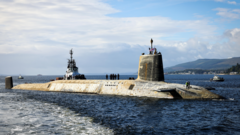
The £8.4bn allocation is designated to support the progress of replacing the UK's current fleet of Vanguard-class nuclear submarines. These older vessels, in operation since 1992 and carrying Trident missiles, are scheduled for retirement in the 2030s, with the new Dreadnought submarines set to enter service concurrently. This project represents the fourth phase of a long-term endeavor that began with its initial announcement in 2006.
Burnham emphasized the dual benefit of the investment, stating that security is intrinsically linked to who builds the defense assets and who profits from them. He highlighted that British money spent on this project will benefit British workers, firms, and skills, particularly in areas like Barrow-in-Furness that have faced economic challenges. The government projects that the nuclear defense spending currently supports around 47,000 jobs, with an anticipated rise to 65,000 by 2030, including 22,000 apprenticeships by 2035.
This substantial funding package is part of a broader £63.6bn over four years allocated to the Defence Nuclear Enterprise. The majority of this sum, £47bn, is earmarked for maintaining the operational status of current nuclear submarines, continuing the Dreadnought program, initiating plans for their eventual successors, and upgrading naval dockyards and manufacturing facilities.
The initiative has seen significant parliamentary approval over the years, with MPs formally endorsing the construction of the new submarines in 2016. The current £8.4bn spending was already incorporated into the Defence Investment Plan, published during the tenure of the previous government.
While the investment is broadly welcomed for its security and economic implications, it also presents fiscal challenges. Conservative shadow defence secretary James Cartlidge acknowledged the progress but questioned Burnham's commitment to fully funding defense. Burnham and his Chancellor, John Healey, are tasked with identifying the necessary funds to meet a Nato target of spending 3.5% of national income on defense by 2035.
Burnham has previously expressed a commitment to reducing youth unemployment and has announced funding for apprenticeship programs. The government's approach appears to integrate defense spending with broader economic and social objectives, aiming to ensure that public procurement processes are utilized to maximize value and benefit for the nation.
Questions remain regarding how the government will secure the additional funds required to meet the 3.5% Nato defense spending target, a commitment that will necessitate careful financial planning and potentially difficult decisions across various public expenditure areas.
This article was written by AI based on publicly available news reporting. Original reporting by the linked source.