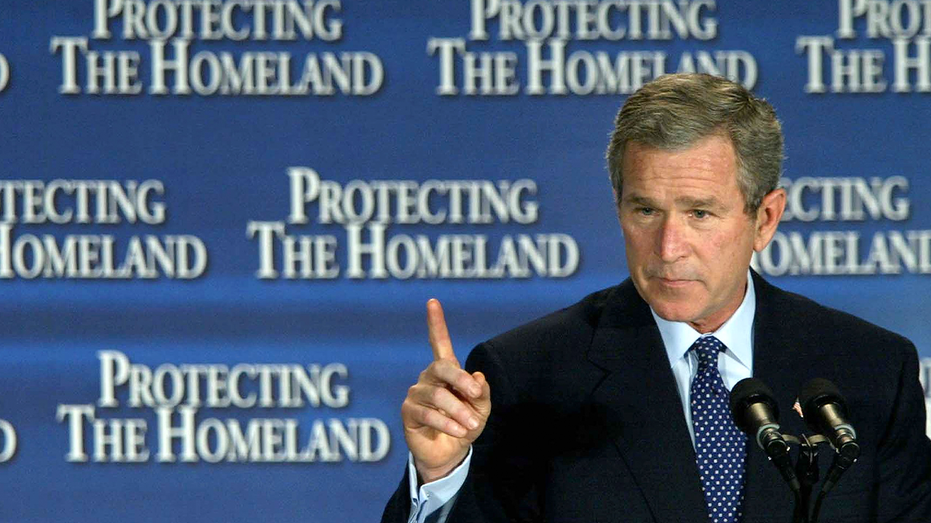
Bush White House Believed Flight 93 Shot Down During 9/11
President George W. Bush and Condoleezza Rice recounted believing United Airlines Flight 93 was shot down by the U.S. military on 9/11.
President George W. Bush and former National Security Advisor Condoleezza Rice have recalled a "horrible moment" during the September 11, 2001, terrorist attacks when they believed United Airlines Flight 93 had been shot down by the U.S. military.
The harrowing recollection offers a glimpse into the chaotic and uncertain environment within the White House as the nation grappled with hijacked airliners being used as weapons. The understanding at the time was that the military might have been forced to make a devastating decision to down the plane to prevent further loss of life.
Speaking about the events of that day, Bush and Rice shared their recollection of the belief that the U.S. government had ordered the destruction of Flight 93. This belief stemmed from the understanding that the plane, which had veered off course after its hijackers took control, was perceived as a direct threat to Washington D.C. The passengers and crew aboard Flight 93 ultimately fought back against the hijackers, causing the plane to crash in a field in Shanksville, Pennsylvania, rather than reach its intended target.
The implications of such a decision, had it been made and executed, would have been immense, raising profound questions about wartime rules of engagement and the immense pressure faced by national security leaders during an unprecedented crisis. The passengers' bravery, however, ensured that the plane did not reach its target, a fact that became clear as the day unfolded.
In the immediate aftermath of the attacks, information was fragmented, and officials were working with incomplete intelligence. The focus was on responding to the unfolding attacks and understanding the scale of the threat. The belief that the military might have taken defensive action against a hijacked civilian aircraft highlights the extreme measures considered in the face of what was perceived as a coordinated attack on American soil.
Rice, who served as President Bush's National Security Advisor at the time, has previously described the intense fear and confusion that permeated the White House. The knowledge that the U.S. military was engaging hijacked aircraft, even if the specific outcome for Flight 93 was initially misunderstood, underscored the severity of the situation.
While the official account and subsequent investigations confirmed that Flight 93 crashed due to the passengers' actions, the memory of the belief that it was shot down remains a poignant reminder of the difficult choices and the high stakes involved on September 11, 2001. It is a testament to the passengers' courage that they prevented the plane from being used as a weapon against a significant landmark.
This recollection adds another layer to the widely documented events of that tragic day, emphasizing the psychological toll and the complex decision-making processes that national leaders endured as they navigated the nation's worst terrorist attack.
This article was written by AI based on publicly available news reporting. Original reporting by the linked source.