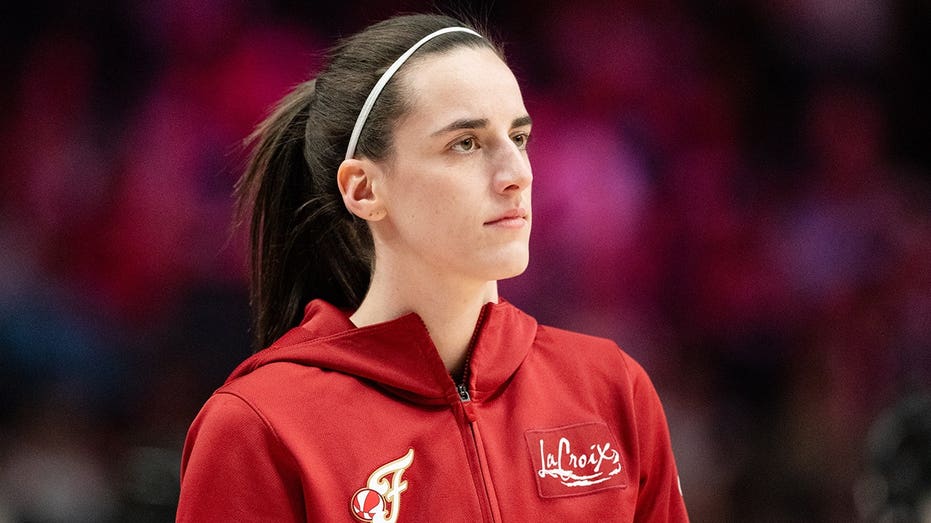
Caitlin Clark slams media's 'false characterization' amid controversy
Caitlin Clark criticized media coverage, stating it's frequently 'not based in reality' and creates a false narrative.
WNBA star Caitlin Clark has spoken out against the media's portrayal of her, asserting that recent coverage has often been a "false characterization" and "not based in reality." The remarks come after weeks of intense media scrutiny and public discussion surrounding her experiences in the league.
Clark, who has become one of the most recognizable athletes in the world following her record-breaking college career at Iowa, has faced a variety of narratives in the press. These discussions have ranged from her on-court performance and interactions with opponents to broader societal issues that some media outlets have attempted to link to her popularity.
The Iowa product's transition to the professional league has been met with unprecedented attention, leading to what she describes as a disconnect between her reality and how she is presented to the public. This perceived misrepresentation has fueled ongoing debate about the nature of sports journalism and the narratives surrounding prominent female athletes.
Sources indicate that Clark feels the media's focus has, at times, strayed from her athletic journey and has instead created narratives that do not align with her personal experience or intentions. This sentiment has been echoed by some commentators who argue that certain media analyses have been overly speculative or have imposed external frameworks onto Clark's career.
In response to the ongoing controversy, Clark has emphasized the importance of accurate reporting. She stated that she aims to focus on her game and the team, while also acknowledging the public interest surrounding her. However, she expressed a desire for the media narrative to reflect her actual experiences more closely.
This situation highlights the intense pressure and heightened scrutiny faced by high-profile athletes, particularly those who transcend their sport to become cultural figures. The way in which media outlets cover these individuals can significantly shape public perception and impact the athletes themselves.
Clark's comments suggest a growing awareness and assertiveness from athletes regarding their public image and the media's role in constructing it. As her career continues to unfold, the dynamic between Clark, the media, and the public will likely remain a significant storyline.
The ongoing discourse underscores a broader conversation about representation, media ethics, and the responsibility of journalists when covering prominent figures, especially in the context of evolving social and cultural landscapes.
This article was written by AI based on publicly available news reporting. Original reporting by the linked source.