Caitlin Clark's Triple-Double Night Overshadowed by Coach's Viral Women's Sports Comments
Caitlin Clark achieved a triple-double, but media access was restricted, while her coach's comments on biological males in women's sports went viral.
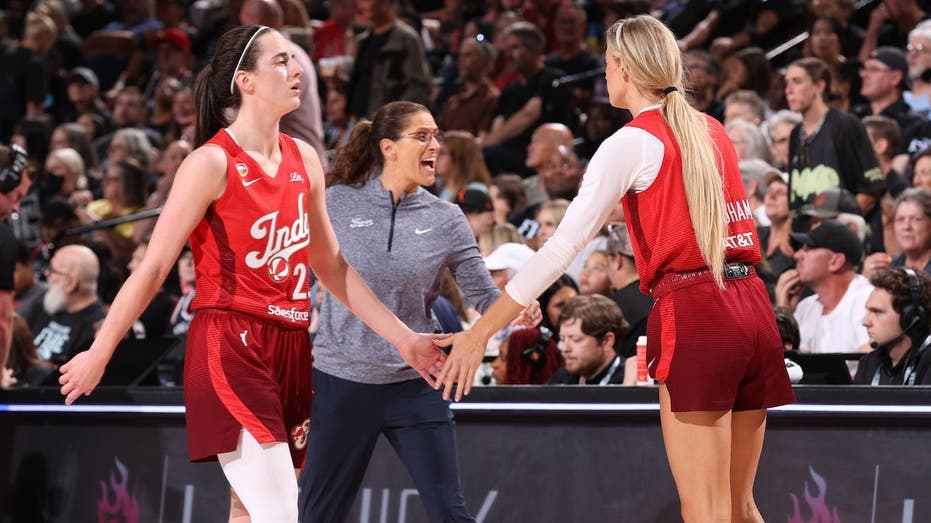
Indiana Fever star Caitlin Clark recorded a triple-double during a recent game, but media availability was notably limited following the performance. The situation coincided with viral comments made by Fever head coach Stephanie White regarding the inclusion of biological males in women's sports.
White's remarks came during a pre-game press conference, where she addressed the ongoing debate surrounding transgender athletes in women's sports. While not explicitly stating her personal stance, White's comments suggested an openness to considering biological males for WNBA participation, a topic that has ignited significant discussion and controversy within the sports world.
Following the press conference, Clark and other players were reportedly kept from speaking with reporters. This move to limit media access has drawn scrutiny, particularly given the high-profile nature of Clark's rookie season and the intense public interest in her performances and the team's dynamics.
The incident highlights the growing tensions and complex discussions surrounding gender identity and athletic competition in professional women's sports. The WNBA, like other leagues, is navigating these evolving social and policy landscapes, which often intersect with athletic performance and public perception.
White's comments have resonated widely, sparking debate among fans, athletes, and commentators. Some have lauded her for engaging with the issue directly, while others have expressed concern over the potential implications for the integrity and future of women's sports. The debate often centers on biological differences and the fundamental principles of fair competition.
Clark's exclusion from media availability, coupled with White's statements, has amplified discussions about athlete privacy, media access, and the broader societal conversations that sports often reflect and influence. The pressure on high-profile athletes like Clark to navigate these complex issues is immense.
This event also occurs amidst a backdrop of increasing activism and advocacy within women's sports. Various figures have voiced strong opinions on the matter, with some asserting that women's sports should remain exclusively for biological females, while others advocate for more inclusive policies.
As the conversation continues, the Indiana Fever and the WNBA face the challenge of balancing competitive integrity, athlete well-being, and societal inclusivity, all while managing public relations and media engagement. The long-term impact of these discussions on the league's policies and public image remains to be seen.
This article was written by AI based on publicly available news reporting. Original reporting by the linked source.