California Teen Pleads Guilty to Kicking Sea Lion
A California teenager pleaded guilty to federal charges after a viral video showed him kicking a sea lion multiple times.
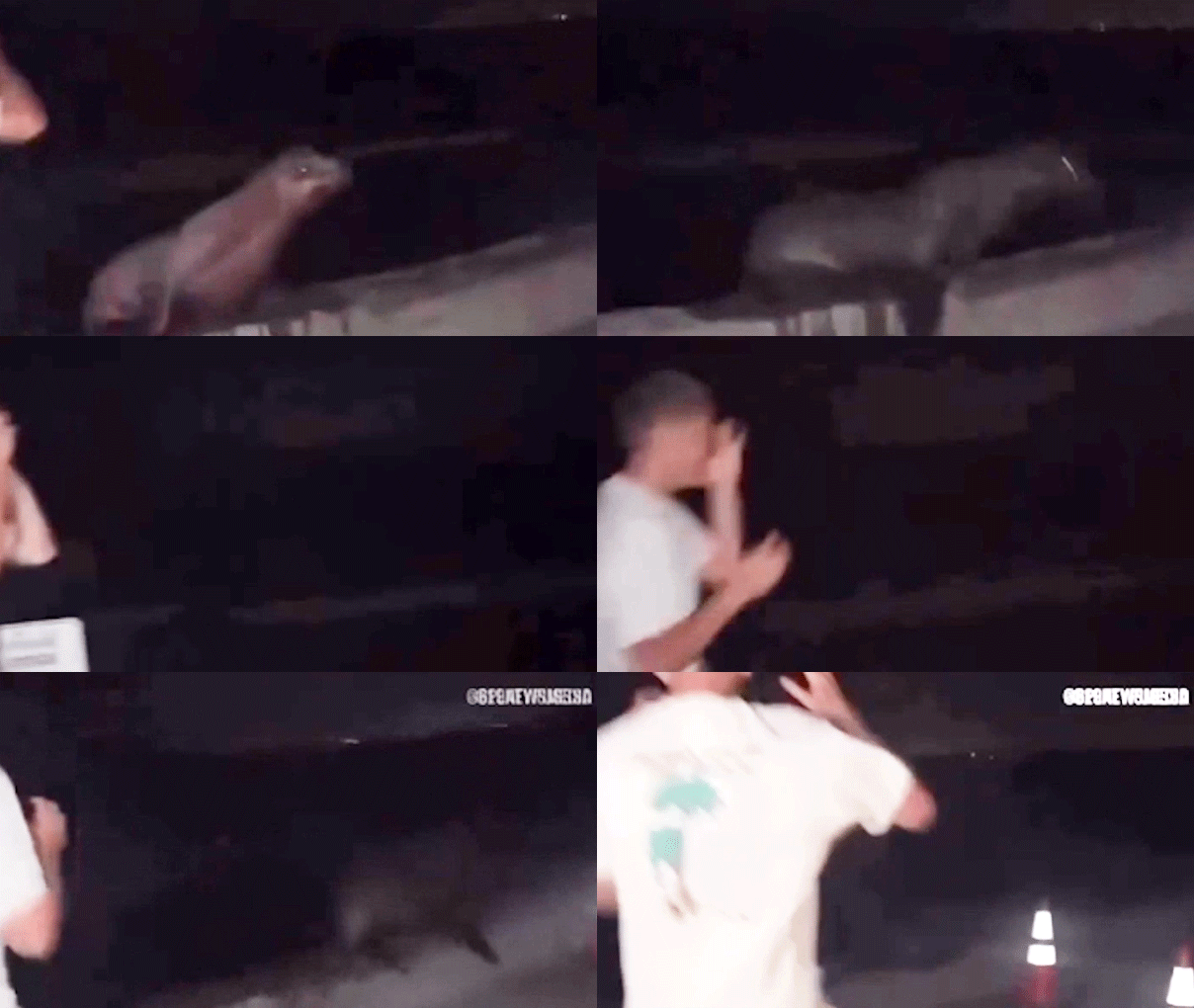
A teenager from California has pleaded guilty to federal charges after a widely shared video captured him repeatedly kicking a sea lion. The incident, which occurred in La Jolla, California, drew swift condemnation and prompted an investigation by federal authorities.
The plea agreement marks a significant step in the legal proceedings against the unnamed youth, who faced charges under federal law protecting marine mammals. The video, which circulated rapidly online, showed the young man approaching the sea lion on a beach and then delivering several kicks to its face and body.
Under the Marine Mammal Protection Act, harming or harassing protected marine species is a federal offense. The act aims to prevent the disturbance, capture, or killing of marine mammals, including sea lions, which are common along the California coast. The severity of the penalties can vary depending on the nature of the offense and the intent of the perpetrator.
The implications of the plea are likely to include some form of legal penalty, though the specific sentence will be determined by the court. This case highlights the ongoing challenges of enforcing wildlife protection laws in popular coastal areas where human and animal interactions are frequent. It also underscores the power of social media in bringing such incidents to light and mobilizing public and official responses.
Wildlife advocates have long expressed concerns about the increasing number of incidents where marine animals are subjected to mistreatment by humans. These encounters can cause significant stress, injury, and even death to the animals, disrupting their natural behaviors and habitats. The prevalence of such videos online often serves as a catalyst for increased awareness and calls for stricter enforcement of existing laws.
Authorities have emphasized the importance of respecting wildlife and maintaining a safe distance from marine mammals. They often advise the public against approaching, feeding, or interfering with sea lions and other marine life, as these animals can be unpredictable and potentially dangerous, and such interactions can have severe legal consequences for the individuals involved.
The La Jolla area, known for its abundant marine life, including a large population of sea lions, is a popular destination for tourists and locals alike. This incident serves as a stark reminder of the need for education and vigilance to ensure the safety and well-being of both the public and the animals that inhabit these shared spaces.
Further details regarding the specific penalties the teen may face are expected to be released as the legal process continues. The case is being closely watched by animal welfare organizations and law enforcement agencies concerned with the protection of marine ecosystems.
This article was written by AI based on publicly available news reporting. Original reporting by the linked source.