Cape Verde's World Cup debut ignites pride among UK diaspora
Cape Verde's historic World Cup run, marked by draws against Spain and Uruguay, has created immense pride within the UK's small diaspora community.
The tiny African island nation of Cape Verde is making waves at its first ever World Cup, sparking immense pride and excitement among its diaspora community in the UK. Defying expectations, the team has held its own against tournament giants, securing hard-fought draws against Spain and Uruguay.
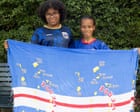
Cape Verde, an archipelago of 10 islands in the Atlantic Ocean with a population of just over 500,000, is one of the smallest nations ever to compete on the World Cup stage. Its unexpected performance has thrust the country into the global spotlight, a stark contrast to the difficulty young diaspora members like 13-year-old Lauryn have had in even locating Cape Verde on a map.
Lauryn expressed her profound pride, stating that after the first match, 'everyone was talking about Cape Verde.' She noted the shift in public perception following the team's impressive performance, particularly highlighting the goalkeeper's efforts. The initial prediction of a mere 1% chance of success against Spain has become a rallying point for the Cape Verdean community in Britain.
'They gave us 1% chance, but we had 99% faith,' became a popular slogan within the community, reflecting their unwavering belief in their team. The initial 0-0 draw against Spain was followed by a thrilling 2-2 tie against Uruguay, a match described by Annabella Lopes of the Cape Verdean Association UK as a 'constant heart attack.'
The team's success has resonated deeply with the Cape Verdean diaspora in the UK, estimated to number in the low thousands. Their journey at the World Cup is not just about football; it represents a significant moment of national recognition and celebration for a community often overlooked on the global stage.
Historically, small nations have often struggled to gain significant traction in major international sporting events. Cape Verde's participation and performance challenge this narrative, demonstrating that determination and talent can overcome size and resource limitations. The team's journey is a testament to the spirit of a nation and its people scattered across the globe.
This World Cup run has fostered a sense of unity and shared identity among Cape Verdeans. Social media has been abuzz with discussions and support for the team, connecting individuals from different parts of the world through their shared heritage and national pride. The team is quickly becoming a fan favourite.
As the tournament progresses, the diaspora community eagerly anticipates further matches, hoping their team continues to defy the odds. The legacy of this World Cup campaign for Cape Verde extends beyond the pitch, serving as a powerful symbol of hope and achievement for a small nation and its global community.
This article was written by AI based on publicly available news reporting. Original reporting by the linked source.