Capitol Police Officers Sue Trump to Halt $1.7 Billion 'Anti-Weaponization Fund'
Two Jan. 6 Capitol officers sued to block Trump's $1.7 billion fund, calling it presidential corruption.
Two U.S. Capitol Police officers who defended the building during the January 6, 2021, attack have filed a lawsuit seeking to stop the creation of President Donald Trump's $1.7 billion Anti-Weaponization Fund. The officers, who protected the Capitol against rioters, have labeled the fund a "brazen act of presidential corruption."
The lawsuit challenges the legality and intent behind the fund, which is reportedly being established by former President Trump. Details surrounding the fund's operational structure and specific objectives remain a focal point of the legal challenge. The officers' legal action aims to prevent any potential misuse of such a significant financial resource.
According to the lawsuit, the fund represents an unprecedented level of alleged corruption. The officers involved in the suit are identified by their roles defending the Capitol on Jan. 6, highlighting their direct experience with events that some perceive as linked to the motivations behind such a fund. Their legal team asserts that the fund's existence poses a threat to democratic institutions.
This legal challenge could have significant implications for future political funding mechanisms and the accountability of public officials. The outcome of the suit may set a precedent for how funds established by political figures are scrutinized and challenged.
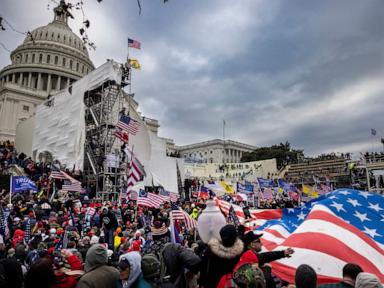
The January 6th attack saw thousands of supporters of then-President Trump breach the U.S. Capitol building in an attempt to overturn the 2020 presidential election results. Law enforcement officers, including those from the Capitol Police, engaged in intense confrontations to secure the building and its occupants.
The creation of a substantial fund, such as the $1.7 billion Anti-Weaponization Fund, raises questions about its intended purpose. Critics often express concern that such funds could be used to target political opponents or advance partisan agendas, leading to accusations of "weaponization" of government or political power.
While the source material does not provide specific details about how the fund is being financed or managed, the officers' lawsuit suggests it is a substantial and potentially influential financial vehicle. Their legal action indicates a belief that the fund's establishment is a direct affront to the rule of law and the integrity of public office.
Further legal proceedings are anticipated as the case moves forward. The lawsuit highlights the ongoing debates surrounding political power, accountability, and the potential for financial resources to be used in ways that undermine democratic processes.
This article was written by AI based on publicly available news reporting. Original reporting by the linked source.