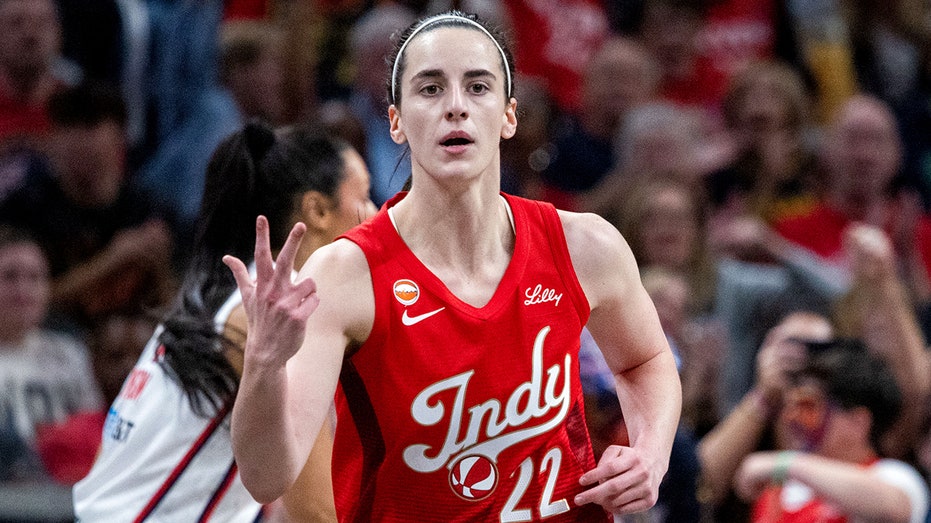
Cari Champion Admits Dislike for Caitlin Clark, Cites 'Entitlement'
Broadcaster Cari Champion revealed she 'doesn't like' WNBA star Caitlin Clark, citing perceived entitlement and special treatment.
Broadcaster Cari Champion has publicly stated that she "doesn't like" WNBA phenomenon Caitlin Clark. The admission came during a discussion about Clark's integration into the professional league, where Champion, known for her association with Jemele Hill, voiced her critical perspective.
Champion's comments suggest a sentiment that Clark receives preferential treatment within the WNBA. This perspective touches upon broader conversations about how rising stars are integrated, marketed, and perceived within professional sports leagues, particularly when they quickly become focal points of media attention and fan interest.
According to reports, Champion specifically cited Clark's "entitlement" as a reason for her dislike. She also questioned why Clark seems to receive "special treatment" from the league. These remarks were made in the context of analyzing Clark's impact and reception in the WNBA, which has seen a significant surge in viewership since her arrival.
The implications of such comments from a prominent sports broadcaster could add fuel to existing debates surrounding Clark. While Clark has undeniably brought increased attention and viewership to the WNBA, her rapid ascent has also drawn scrutiny and criticism from various corners, including some within the sports media landscape.
Champion's remarks align with a segment of criticism that has emerged since Clark's collegiate and professional career began. Some observers have expressed concerns that the intense focus on Clark overshadows other players and that the league might be overly reliant on her star power. This viewpoint often contrasts with the perspective that Clark's popularity is a net positive for the entire league, elevating visibility for all teams and players.
This sentiment is not entirely new, as other commentators have previously voiced criticisms regarding Clark's perceived "diva" status or the league's marketing strategies. The conversation often becomes complex, balancing the acknowledgment of Clark's talent and marketability with discussions about fairness, equity, and the development of other athletes within the league.
Champion's direct admission offers a clear, albeit subjective, stance on the WNBA star. It raises questions about how media personalities perceive and report on burgeoning athletes and the potential impact of such opinions on public perception and the narrative surrounding Clark and the league.
As Caitlin Clark continues her rookie season, the discourse surrounding her will likely remain a significant topic. Statements like Champion's contribute to the multifaceted discussion about her impact, the WNBA's strategy, and the dynamics of sports media coverage.
This article was written by AI based on publicly available news reporting. Original reporting by the linked source.