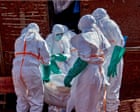
CDC allocates $107 million emergency funding for Ebola response in DRC, Uganda
The CDC is releasing $107 million in emergency funds to combat the Ebola outbreak affecting over 1,000 individuals in DRC and Uganda.
The U.S. Centers for Disease Control and Prevention (CDC) announced Thursday it will allocate $107 million in emergency funding to bolster the response to the ongoing Ebola outbreak in the Democratic Republic of the Congo (DRC) and Uganda. Officials described the outbreak as the third largest on record, necessitating "strong immediate support" while maintaining that the global risk remains low.
The decision comes as the DRC grapples with the escalating outbreak, which has now surpassed 1,000 confirmed cases across 31 health zones. In Uganda, 31 cases have been reported in Kampala. This hemorrhagic fever, identified as Bundibugyo viral disease (BVD), is a rare zoonotic species of Ebola that has historically resulted in mortality rates between 30% and 50% in recent outbreaks in the affected regions.
Dr. Satish K Pillai, incident manager for the CDC’s Ebola response, stated during a briefing that the agency has deployed 23 field staff for disease investigations and maintains a total of 125 personnel across both countries. These teams are conducting twice-weekly calls with U.S. World Cup host cities to monitor potential public health risks, particularly as the FIFA World Cup is being jointly hosted by Canada, Mexico, and the U.S., drawing international visitors.
Despite the substantial funding and the severity of the outbreak, health officials have largely attributed illnesses observed in connection with large events, such as the World Cup, to common issues like heat-related ailments. The CDC’s swift financial commitment aims to provide critical resources for containment efforts, contact tracing, and medical care in the affected areas.
African health officials have previously warned that the current outbreak could potentially become the most severe on record if current infection rates persist, estimating it could take up to a year to contain. This warning underscores the urgency of the international response and the need for sustained efforts to manage the epidemic.
The historical context of Ebola outbreaks highlights the devastating impact such diseases can have. The most significant Ebola outbreak on record occurred between 2014 and 2016 in West Africa, infecting over 28,000 people and claiming approximately 11,000 lives. The current outbreak, while smaller in scale, shares characteristics with past events that have challenged global health systems.
The deployment of CDC staff and the allocation of emergency funds are intended to support local health authorities in their battle against the virus. The focus remains on preventing further spread, providing treatment for those infected, and mitigating the risk of international transmission, especially given the global travel patterns associated with major international events.
Unresolved questions persist regarding the long-term containment strategy and the potential for the virus to spread further. The effectiveness of the newly allocated funds and the coordinated response between the DRC, Uganda, and international bodies like the CDC will be crucial in determining the ultimate outcome of this outbreak.
This article was written by AI based on publicly available news reporting. Original reporting by the linked source.