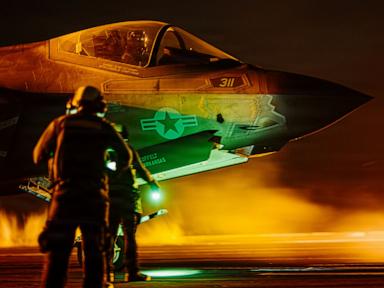
US Strikes Iran Targets; Warns of Escalation if Tehran Retaliates
The US conducted major combat operations against Iran, targeting military sites and warning of escalation if Iran responds.
The United States announced it has completed major combat operations against Iran, launching massive joint strikes on February 28 targeting military, government, and infrastructure sites. The strikes follow a series of attacks against commercial shipping and U.S. service members, with the strategic Strait of Hormuz serving as a primary flashpoint.
President Donald Trump confirmed the U.S. was striking targets near the Strait and issued a stern warning, stating that further escalation would occur if Iran responds. This latest military action marks a significant escalation in the ongoing tensions between the two nations, which have seen continued exchanges of strikes despite diplomatic efforts.
U.S. Central Command (CENTCOM) announced via an X post that the military hits included several targets such as air defense sites, radar systems, maritime assets and facilities, mine-laying capabilities, and communications sites. The announcement came as Iran's state media claimed the country was striking back, with Tasnim news reporting that an American MQ9 drone was shot down by a new Iranian air defense system in the Khomein area.
The broader implications of these strikes remain uncertain, but the U.S. warning suggests a potential for wider conflict if Iran retaliates. Delegations from the U.S. and Iran had entered negotiations in June aimed at a war-ending deal based on a memorandum of understanding, but these efforts appear to have stalled amidst continued hostilities.
In parallel developments, Kuwait's Army issued an alert, stating its air defenses were confronting hostile missile and drone attacks. The General Staff of the Army indicated that any audible explosions would be the result of air defense systems intercepting these threats. Separately, Jordanian officials reported that over a dozen ballistic missiles fired at Jordan were intercepted or fell in remote areas, with the Jordanian Armed Forces intercepting 10 missiles and three falling harmlessly. U.S. forces also shot down Iranian missiles, according to a U.S. official.
Iranian officials have also made statements indicating a hardening stance. A spokesperson for the Islamic Revolutionary Guard Corps (IRGC) stated that the IRGC "will no longer exercise restraint" against Bahrain and Kuwait. Meanwhile, Iran's Ghalibaf claimed the U.S. is giving ships "false guarantees" about passage through the Strait of Hormuz, suggesting continued challenges to maritime security.
Adding to the economic pressure campaign, an official, Bessent, teased further sanctions on banks, indicating that financial measures would continue to be employed against Iran. These actions underscore a multi-pronged strategy by the U.S. involving military strikes, diplomatic warnings, and economic sanctions.
The ongoing exchange of strikes and the rhetoric from both sides raise significant questions about the future trajectory of relations and the potential for a wider regional conflict. The effectiveness of diplomatic channels in de-escalating the situation remains a critical concern, particularly given the recent military actions and the IRGC's defiant statement.
This article was written by AI based on publicly available news reporting. Original reporting by the linked source.