Chef Andrew Zimmern: Raw Oysters Miss Their True Flavor Potential
Celebrity chef Andrew Zimmern reveals that cooking oysters unlocks their full flavor, challenging the common practice of eating them raw.
Celebrity chef and television personality Andrew Zimmern has challenged the long-held tradition of consuming oysters raw, suggesting that this method may prevent diners from experiencing the shellfish's complete flavor profile. Zimmern, known for his adventurous palate and culinary explorations, argues that cooking oysters is the key to unlocking their nuanced tastes.
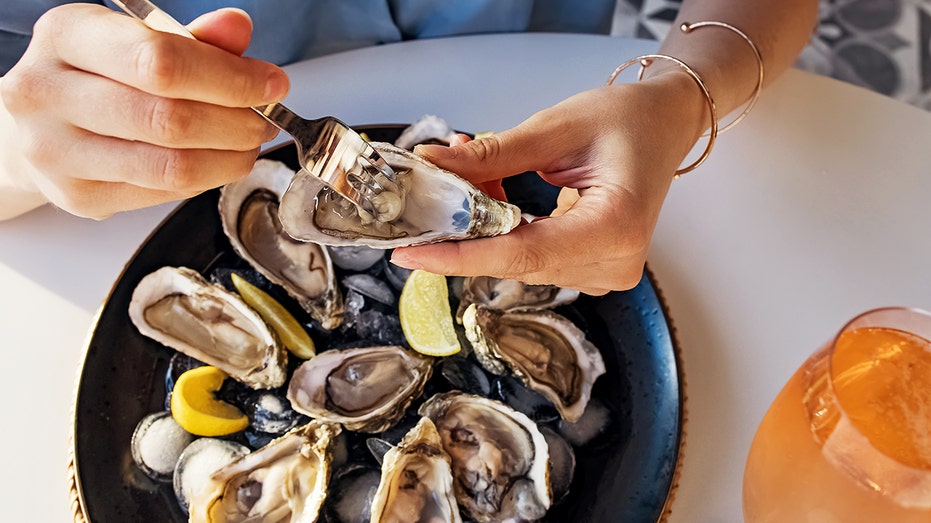
For decades, oysters have been a delicacy often served chilled and uncooked, typically with a squeeze of lemon or a dash of hot sauce. This preparation method highlights the briny, oceanic notes often associated with the bivalves. However, Zimmern posits that this raw experience is only a partial representation of what an oyster can offer.
According to Zimmern, the heat of cooking transforms the oyster, bringing out a different spectrum of flavors. He suggests that cooking can amplify sweetness, add creamy textures, and introduce a richness that remains dormant when the oyster is served cold and raw. This culinary perspective reframes oysters from a simple raw bar staple to a versatile ingredient with untapped potential.
The implications of Zimmern's assertion could influence how both home cooks and professional chefs approach oyster preparation. By encouraging cooking, he opens the door to a wider range of culinary applications, from baked and grilled oysters to incorporation into stews and other hot dishes.
While raw oysters have long been celebrated for their supposed aphrodisiac qualities and connection to the sea, Zimmern's views align with a growing appreciation for the transformative power of heat in cooking. Many chefs have explored various cooking methods for oysters, including charbroiling, frying, and steaming, each yielding distinct flavor profiles. These methods often aim to concentrate the oyster's natural liquor and enhance its inherent sweetness and umami.
Zimmern's comments are likely to spark debate among oyster enthusiasts and purists. The raw oyster experience is deeply ingrained in many coastal cultures, representing a direct link to the ocean's bounty. However, the culinary world is constantly evolving, with chefs frequently re-examining traditional practices and discovering new ways to present familiar ingredients.
This perspective encourages a broader exploration of oyster cookery, moving beyond the typical raw preparations. It invites diners to consider oysters not just for their immediate, briny taste but for the complex, cooked flavors that can be developed through thoughtful culinary techniques.
Ultimately, Zimmern's suggestion is an invitation to reconsider how we enjoy one of the ocean's most celebrated foods, potentially leading to a richer and more diverse appreciation of oysters.
This article was written by AI based on publicly available news reporting. Original reporting by the linked source.