Chefs Reveal Common Mistake Ruining Your Rice, Causing Clumping
Culinary experts identify a frequent error in rice preparation that leads to undesirable texture, offering simple fixes for perfect results.
Many home cooks may be unknowingly making a common mistake that prevents them from achieving perfectly fluffy rice, according to professional chefs. The issue often lies in a simple step that is frequently overlooked during the preparation process, leading to sticky or clumpy grains.
Achieving ideal rice texture is a fundamental skill in many cuisines worldwide. Rice, a staple for billions, can be notoriously tricky to cook correctly. Factors such as the type of rice, the water ratio, and the cooking method all play a crucial role in the final outcome. Understanding these elements can transform a potentially disappointing dish into a culinary success.
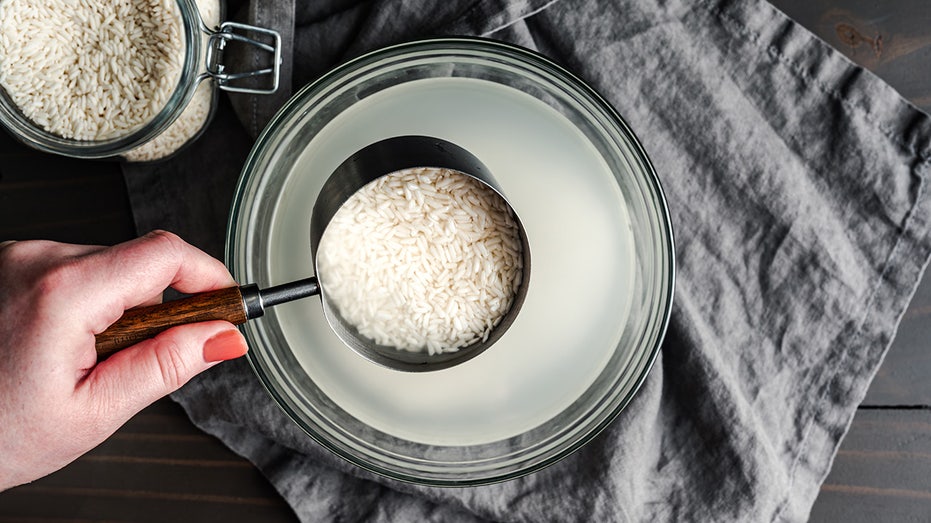
Chefs emphasize that the most common error is not rinsing the rice sufficiently before cooking. Rice grains are often coated in a fine powder of starch. If this starch is not washed away, it can cause the grains to stick together as they cook, resulting in a gummy or mushy texture rather than distinct, fluffy kernels.
This simple yet significant oversight can have a major impact on the final dish. Properly rinsed rice allows each grain to cook independently, absorbing water evenly and maintaining its structure. This leads to a lighter, more appealing texture that complements a variety of meals.
While some rice varieties, like Arborio for risotto, benefit from their starch content to create creaminess, most common types like basmati, jasmine, or long-grain white rice are best when the excess starch is removed. Chefs suggest rinsing the rice under cold running water in a fine-mesh sieve until the water runs clear. This process can take several minutes but is considered essential by many culinary professionals.
Beyond rinsing, other factors contribute to perfect rice. Using the correct water-to-rice ratio is critical; this ratio can vary depending on the type of rice. Allowing the rice to rest after cooking, covered, for about 10 minutes before fluffing with a fork also helps distribute moisture evenly and ensures a tender result.
Expert advice consistently points to rinsing as a foundational step for most rice preparations. This technique, passed down through generations and refined in professional kitchens, is a key differentiator between mediocre and excellent rice. It’s a small effort that yields a significant improvement in texture and taste.
The implications of mastering this basic cooking technique extend beyond individual meals. For those looking to elevate their home cooking or explore different global cuisines, understanding how to prepare rice correctly opens up a world of culinary possibilities. It's a foundational skill that enhances the enjoyment and success of countless dishes.
This article was written by AI based on publicly available news reporting. Original reporting by the linked source.