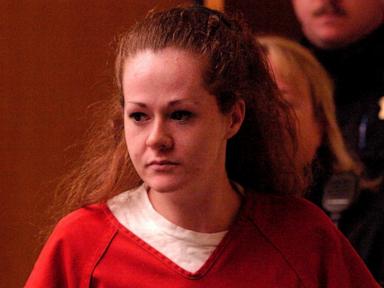
Christa Pike shows physical recovery, faces cognitive challenges after botched execution
Death row inmate Christa Pike is physically recovering but experiencing cognitive difficulties following a failed lethal injection attempt.
Death row inmate Christa Pike has shown a "remarkable physical recovery" in the days since she regained consciousness after a botched execution attempt in Tennessee, but significant cognitive uncertainty remains, her attorneys told ABC News.
Pike, the only woman on Tennessee's death row, was convicted of the 1995 murder of 19-year-old Colleen Slemmer. Her execution was halted on September 30 after she was administered two doses of a lethal injection drug, pentobarbital, which proved ineffective. She was subsequently hospitalized in Nashville.
One of Pike's attorneys, Stephen Ferrell of Federal Defender Services of Eastern Tennessee, stated that while her physical state is improving, her cognitive function is not yet back to normal. "We're not sure exactly of the long-term effects, but she's clearly cognitively not quite back to normal and may have a long ways to go," Ferrell said. He also noted that Pike is "very traumatized" by the experience and is contemplating the impact on the victim's family.
Attorneys have reported that Pike is experiencing challenges with concentration and memory, and doctors have advised that it may take months to determine if she has sustained lasting cognitive injuries. Ferrell described these issues as difficulty maintaining a thought, not a lack of awareness. Pike is reportedly able to walk with assistance, has resumed a regular diet, and her lungs are clear.
Despite her physical improvements, Pike continues to suffer from severe burns on her arms, sustained during the execution attempt. These burns have made it difficult for her to perform simple actions like holding a pen to sign documents. The healing process for these "pretty severe burns" is uncertain, as doctors are not accustomed to treating such injuries, though significant tissue damage around the injection sites is evident.
Pike initially required a ventilator after the failed execution but regained consciousness on Tuesday, according to her legal team. Her attorneys, including Randy Spivey with the Tennessee Office of the Post-Conviction Defender, expressed surprise at her regaining consciousness, as she was believed to be near death and potentially headed for life support withdrawal.
Ferrell also mentioned that Pike has been thinking about Colleen Slemmer's family, expressing concern about their potential suffering. This statement highlights the complex psychological impact of the event on Pike, beyond her own physical and cognitive struggles.
The botched execution has raised serious questions about the protocols and drugs used in Tennessee's lethal injection process, leading to further legal scrutiny and concern for the well-being of death row inmates facing similar procedures.
This article was written by AI based on publicly available news reporting. Original reporting by the linked source.