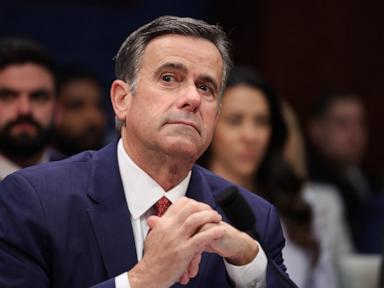
CIA Director Warned Russia Against NATO Attacks During Moscow Visit
CIA Director John Ratcliffe traveled to Moscow to warn Russia against attacking NATO countries and discussed Iran, sources revealed.
CIA Director John Ratcliffe made a clandestine trip to Moscow earlier this week, with a primary objective of warning Russian officials against any aggression toward NATO member countries, according to sources familiar with the matter.
This high-level diplomatic engagement underscores the ongoing tensions and strategic considerations between the United States and Russia, particularly concerning European security and regional stability. The visit, which was not publicly announced in advance, highlights the sensitive nature of the discussions.
During his meetings, Ratcliffe also raised concerns regarding Iran, although specific details about these discussions were not immediately available. The Wall Street Journal was the first to report on the purpose of the CIA director's visit to the Russian capital. The CIA itself declined to offer any comment on the trip or its outcomes.
President Donald Trump acknowledged Ratcliffe's presence in Moscow in a separate interview, characterizing the visit as "semi-routine." When pressed by the interviewer about whether the trip was related to increased Russian aggression against NATO or economic pressure on Iran, Trump stated that neither of those was the reason for the visit.
A spokesperson for Russian President Vladimir Putin confirmed that Ratcliffe had been in contact with Russian intelligence agencies. However, the spokesperson clarified that Ratcliffe did not meet with President Putin himself.
The visit occurred against a backdrop of heightened geopolitical scrutiny of Russian activities. Intelligence agencies worldwide continue to monitor Russia's military posture and its interactions with neighboring states and international alliances.
While the exact nature of the warnings and the responses from Russian officials remain undisclosed, the fact of the CIA director's mission to Moscow signals a direct communication channel being utilized to convey critical U.S. security interests and red lines.
Further details regarding the specifics of the discussions on Iran and any potential agreements or disagreements reached during the meetings are not yet public. The implications of this visit for future U.S.-Russia relations and European security will likely unfold in the coming weeks and months.
This article was written by AI based on publicly available news reporting. Original reporting by the linked source.