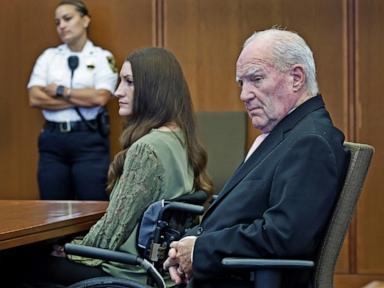
Clancy's Lawyer Asks Trump for Pardon After Mistrial
Lindsay Clancy's attorney requested a presidential pardon for his client following a mistrial in her murder case.
Lindsay Clancy's attorney, Kevin Reddington, has publicly appealed to former President Donald Trump to consider a pardon for his client, whose murder trial ended last week in a mistrial. The request comes after a jury was unable to reach a unanimous verdict on charges stemming from the deaths of Clancy's three young children.
Clancy pleaded not guilty to three murder charges related to the deaths of her 5-year-old daughter Cora, 3-year-old son Dawson, and infant son Callan. The tragic events occurred at the family's home in Duxbury, Massachusetts, a suburb of Boston, on January 24, 2023.
In an interview on "Good Morning America," Reddington expressed hope for a resolution between the defense and the district attorney's office. "Mr. President, I would hope that you would consider this young lady and the person she is, what she's been through, and consider a pardon," Reddington stated.
The mistrial was declared on September 4, following over a week of jury deliberations. The jury's inability to reach a verdict means the legal proceedings for Clancy will likely continue, with the prosecution needing to decide whether to pursue a new trial.
Reddington's appeal to the former president introduces an unusual element into the case. Presidential pardons are typically sought through formal channels, and a public request to a specific former president, especially after a mistrial, is uncommon.
Details surrounding the circumstances of the children's deaths have not been fully elaborated upon in public statements following the mistrial. Clancy's defense has consistently maintained her innocence, though the specifics of their strategy and the evidence presented to the jury remain central to the ongoing legal process.
The district attorney's office has not yet commented on the mistrial or the possibility of a future trial. The legal team for Clancy will likely be engaged in discussions regarding the next steps, which could include further plea negotiations or preparation for a retrial.
This developing story raises significant questions about the future of the case, the potential for a presidential pardon, and the ongoing legal and emotional ramifications for all involved parties.
This article was written by AI based on publicly available news reporting. Original reporting by the linked source.