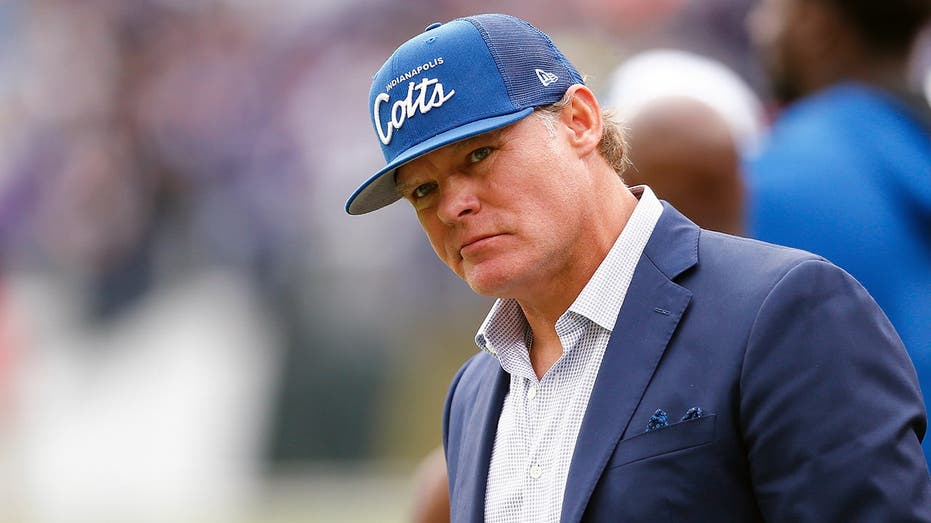
Colts GM Chris Ballard calls players returning to college football 'stupidest s---'
Indianapolis Colts General Manager Chris Ballard criticized NFL players returning to college football, labeling the decision 'stupidest s--- I’ve ever heard.'
Indianapolis Colts General Manager Chris Ballard has voiced strong disapproval of NFL players who choose to return to college football after being drafted, labeling the decision the "stupidest s--- I’ve ever heard."
Ballard's comments come amidst a growing trend where some players, after signing NFL contracts, opt to return to their collegiate teams for an additional season. This practice raises concerns about player safety and the potential for injury, which could jeopardize lucrative professional careers before they even begin.
The Colts' top executive expressed his bewilderment at the rationale behind such decisions, suggesting that the financial security and professional development offered by the NFL far outweigh any perceived benefits of playing another year of college football. He highlighted the inherent risks involved, particularly the possibility of career-ending injuries.
While Ballard did not name specific players, his remarks appear to address a situation where athletes might seek to regain college eligibility after already entering the professional ranks. The implications of this phenomenon extend to team management, player development strategies, and the overall structure of college and professional football.
The debate surrounding players returning to college football after being drafted touches upon the complex relationship between amateur and professional sports. For players, the decision often involves a difficult calculation of risk versus reward, weighing immediate financial gain and career advancement against the potential for injury in a less structured environment.
From an NFL team's perspective, such decisions create uncertainty. A player signed to an NFL contract who then returns to college represents a significant investment with an unknown future. Teams are understandably concerned about the potential for these players to suffer injuries that could prevent them from ever playing in the league.
This situation also brings into question the role of NCAA eligibility rules and how they interact with professional contracts. The ability for players to seemingly have it both ways – securing NFL compensation and then returning to college – is a point of contention for many in the professional football community.
As the landscape of college and professional sports continues to evolve, the debate over player eligibility, risk management, and the financial incentives driving these decisions is likely to persist, prompting further discussion among league officials, team executives, and player representatives.
This article was written by AI based on publicly available news reporting. Original reporting by the linked source.