Combat Veteran Slams Maine Senate Candidate Over Mocking Survival
An Army veteran, nearly killed by the Taliban, directly criticized Senate candidate Jared Platner for a deleted online post mocking his survival.
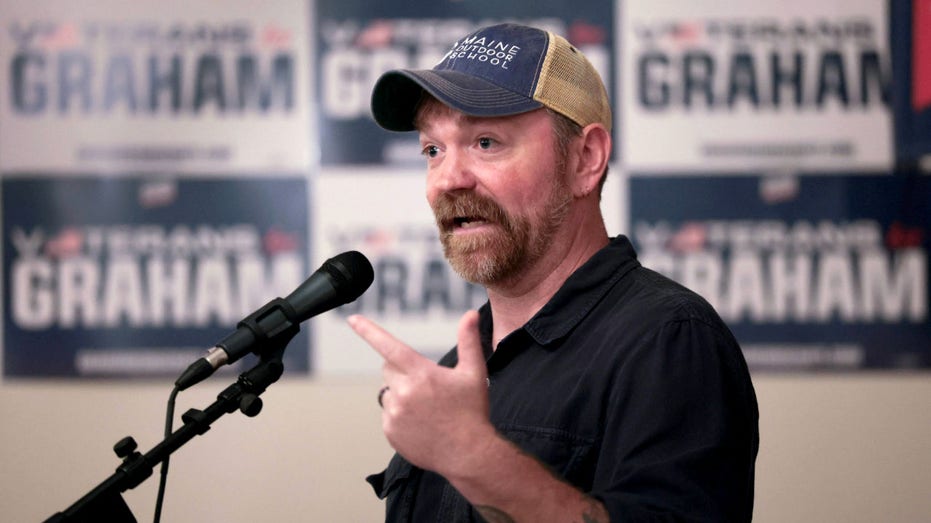
A decorated Army veteran, who survived a near-fatal encounter with the Taliban, has publicly denounced Maine Senate candidate Jared Platner for a deleted social media post that appeared to mock the veteran's experience.
The veteran, who served in Afghanistan, expressed his outrage after discovering the post, which he interpreted as a personal attack on his survival and service. The incident has ignited a firestorm of criticism against Platner, a Republican candidate vying for a U.S. Senate seat in Maine.
According to reports, the deleted post was shared on a platform where Platner was being discussed. The veteran stated he was deeply offended by the candidate's perceived insensitivity to the sacrifices made by service members. He directly called Platner a "coward" for his actions, emphasizing the stark contrast between his own combat experiences and Platner's online commentary.
This controversy adds another layer of scrutiny to Platner's campaign, which has already faced various challenges and criticisms. The veteran's response highlights the potential consequences of political rhetoric, particularly when it touches upon the sensitive experiences of military personnel.
While the specifics of Platner's deleted post remain a subject of discussion, the veteran's reaction underscores the profound impact such online statements can have. He stated that his survival in combat was a testament to resilience and duty, making the candidate's alleged mockery particularly galling.
Supporters of the veteran have rallied around him, condemning Platner's alleged behavior as disrespectful and unbefitting of someone seeking public office. The incident has prompted calls for greater accountability and sensitivity from political figures when addressing issues related to military service and sacrifice.
Platner's campaign has not yet issued a detailed statement addressing the veteran's specific accusations beyond the removal of the post. The political landscape in Maine is closely watching how this situation unfolds and its potential impact on the upcoming election.
The veteran's direct confrontation with the candidate serves as a stark reminder of the personal stakes involved in political discourse and the enduring importance of respecting those who have served in the armed forces.
This article was written by AI based on publicly available news reporting. Original reporting by the linked source.