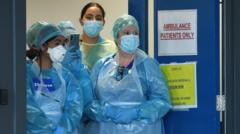
Covid inquiry: £10bn wasted on PPE, NHS staff left unprotected.
The Covid inquiry found £10bn in PPE spending was wasted, leaving NHS staff poorly protected and risking lives.
The UK's pandemic preparedness was critically flawed, leading to significant risks for NHS staff and patients due to inadequate personal protective equipment (PPE), according to a damning report from the Covid inquiry.
The inquiry revealed that nearly £10 billion of the £14.9 billion spent on PPE by the UK and devolved governments was wasted, highlighting a severe lack of readiness to compete in the global market for essential supplies.
Baroness Hallett, chair of the inquiry, criticized the government's "VIP lane" policy, which prioritized suppliers with political connections, deeming it misguided and damaging to public trust. Despite this, the inquiry found no evidence of cronyism or corruption among ministers or officials when awarding final contracts.
The findings suggest that better planning could have led to more equitable, efficient, and cost-effective procurement decisions. The total government expenditure on pandemic-related equipment, including testing kits and ventilators, between January 2020 and June 2022 exceeded £42 billion.
When the pandemic began, the UK's emergency PPE stockpile was critically low, with some estimates suggesting it would last less than 15 weeks. By the end of March 2020, demand from hospitals had depleted these reserves. The inquiry found that only a third of masks in England's stockpile were usable, and Scotland had no high-grade respiratory masks.
A significant planning failure identified was the expectation that care homes, GP surgeries, and pharmacies would source their own PPE. This decentralized approach, at a time of global shortage, placed vulnerable sectors at immediate risk.
Government contingency plans had not been adequately tested, forcing officials and ministers to rapidly establish new emergency procurement and distribution systems under immense pressure. This improvisation, while necessary, contributed to the inefficient and costly spending.
The inquiry concluded that the "high priority lane," introduced in April 2020 to fast-track offers with recommendations from political figures, embedded unfairness into the procurement process and eroded public trust at a critical juncture. Baroness Hallett emphasized that such a system should not be repeated.
This article was written by AI based on publicly available news reporting. Original reporting by the linked source.