Cowboys Coach Slams World Cup Stadium Changes, Cites Lost 'Majestic' Aura
Dallas Stadium's retractable roof and shade structure modifications for the World Cup are criticized by coach Brian Schottenheimer for diminishing the fan experience.
Dallas, TX – AT&T Stadium, home of the Dallas Cowboys, is undergoing significant modifications to host World Cup matches, but head coach Brian Schottenheimer has voiced strong reservations, asserting that the changes detract from the venue's inherent grandeur.
Schottenheimer, speaking as the Cowboys' head coach, expressed concern that the temporary structures and operational adjustments, particularly the use of the stadium's retractable roof and shade system, will fundamentally alter the atmosphere that fans have come to associate with the iconic venue.
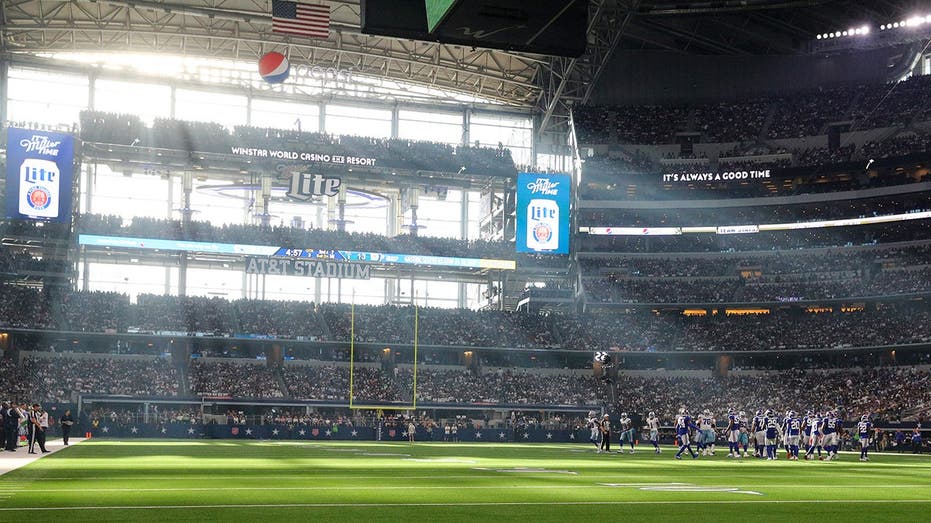
The primary point of contention for Schottenheimer is the deployment of the stadium's shade structure. He believes that when deployed to mitigate heat or sun exposure during matches, it obscures the architectural elements that contribute to the stadium's 'majestic' setting, thereby diminishing the overall fan experience.
These alterations are being made to comply with FIFA's requirements for World Cup venues, which often prioritize player comfort and specific broadcast needs. The implications are that the unique aesthetic and ambiance of AT&T Stadium, celebrated for its design, may be compromised for the duration of the tournament.
AT&T Stadium, known for its state-of-the-art design and capacity for over 80,000 spectators, typically offers a visually striking environment. The retractable roof and extensive use of glass are key features that contribute to its grandeur. Schottenheimer's comments suggest that the necessary adaptations for soccer, a sport played with different environmental considerations than American football, will necessitate a departure from this signature look.
While the exact specifications of the modifications are not detailed, the use of shade structures implies a focus on controlling sunlight and temperature within the stadium bowl. This is a common practice in warmer climates hosting major sporting events. However, the coach's critique highlights a potential clash between the functional requirements of the World Cup and the preservation of a venue's distinctive architectural identity.
Schottenheimer's perspective offers a glimpse into the potential trade-offs involved in repurposing large, multi-purpose stadiums for international sporting events. The desire to accommodate FIFA standards may necessitate compromises that impact the visual appeal and the intangible 'aura' that makes a stadium unique.
As preparations for the World Cup continue, the debate over the aesthetic and experiential impact of these modifications is likely to persist. The ultimate success of the tournament at AT&T Stadium may hinge not only on logistical execution but also on how well the venue can balance its established identity with the demands of global soccer's premier event.
This article was written by AI based on publicly available news reporting. Original reporting by the linked source.