Côte d’Ivoire marks 10 years since Grand Bassam attack, remains wary of northern jihadist threat.
Ten years after a deadly jihadist attack in Grand Bassam, Côte d’Ivoire faces a persistent threat along its northern borders.
Ten years after a devastating jihadist assault on the historic coastal town of Grand Bassam, Côte d’Ivoire is marking the anniversary with a renewed sense of vigilance, particularly concerning the ongoing threat of extremism along its northern borders with Mali and Burkina Faso.
The attack on March 13, 2016, saw three gunmen kill 19 people, including nine foreigners, in a 45-minute shooting spree targeting three adjacent hotels on the beach. Al-Qaida in the Islamic Maghreb (AQIM) claimed responsibility, stating it was retaliation for the arrest and transfer of its members to Mali. The event was the first major terrorist incident on Ivorian soil and left a lasting scar on the nation.
In December 2022, an Abidjan court sentenced 11 men, seven in absentia, to death for their roles in the 2016 attack. Defence Minister Téné Birahima Ouattara stated at a recent commemoration ceremony that Ivorian forces have enhanced their operational vigilance to prevent future tragedies.
While tourist resorts along the southern coast, like Grand Bassam, have recovered and once again attract visitors, the situation in the north remains precarious. Both Mali and Burkina Faso, bordering Côte d’Ivoire to the north, have recently expelled French and American troops following military coups and have strengthened ties with Russia.
This shift in regional security dynamics has amplified concerns about the spread of jihadist groups active in the Sahel region. These groups have exploited instability and governance challenges in neighboring countries, creating a spillover effect that poses a direct threat to Côte d’Ivoire's security.
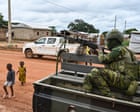
Ivorian soldiers are actively patrolling the northern regions, particularly near the borders with Mali and Burkina Faso, underscoring the government's commitment to addressing the persistent security challenges. The ongoing presence of extremist groups in the Sahel continues to be a significant concern for regional stability.
Survivors of the Grand Bassam attack, like Rose Ebirim, have found ways to cope with the trauma, with Ebirim describing her involvement in community activities as a form of therapy. The attack remains a stark reminder of the vulnerabilities faced by coastal West African nations.
As Côte d’Ivoire commemorates this somber anniversary, the focus remains on strengthening national defense capabilities and fostering regional cooperation to counter the evolving threat of jihadism, particularly in the northern territories.
This article was written by AI based on publicly available news reporting. Original reporting by the linked source.