Cuba Faces Dire Conditions, US May Face Unintended Consequences
Cuba grapples with severe power outages, shortages, and economic hardship, potentially impacting U.S. interests.
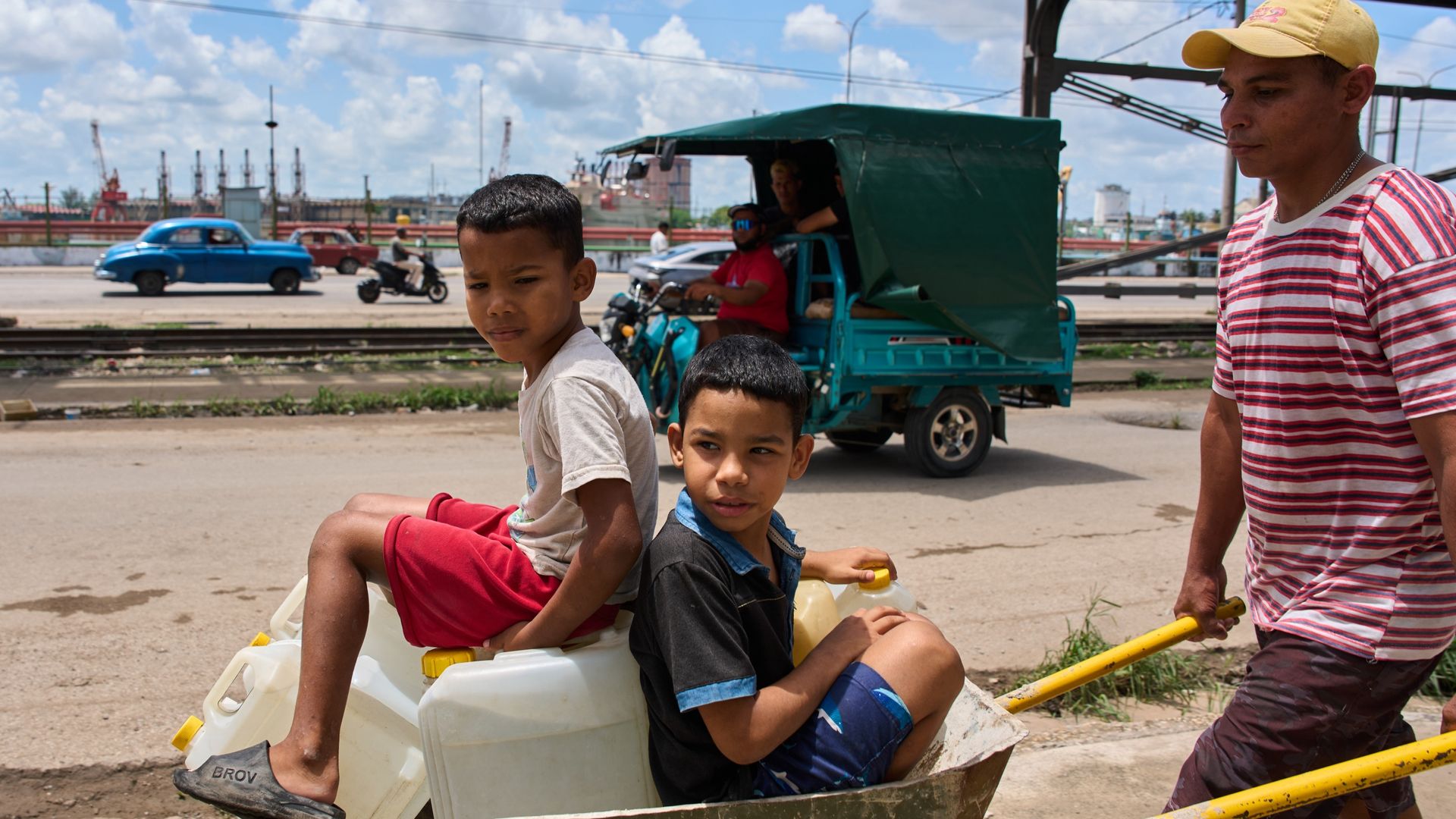
Cuba is currently experiencing what observers describe as dire conditions, marked by widespread power cuts, long queues for essential goods like bread and fuel, and virtually empty state-run grocery stores. Rubbish is accumulating on street corners, and the number of foreign visitors has dwindled, painting a grim picture of the island's current economic and social state.
These unfolding circumstances in Cuba are raising concerns about potential ripple effects that could extend beyond the island's borders, particularly for the United States. The current situation suggests a deepening of the economic crisis that has plagued the nation for some time, exacerbated by a confluence of internal challenges and external pressures.
The visible signs of hardship are stark: residents are facing daily power outages, and obtaining basic necessities has become a significant challenge. The scarcity in state-run stores, a primary source of goods for many Cubans, indicates a breakdown in supply chains and distribution networks. The lack of foreign tourists further signals a severe downturn in the economic activity that Cuba relies upon.
If the current trajectory continues, the United States may find itself compelled to confront a new set of challenges and consequences stemming from the collapse of the Cuban state. The proximity of Cuba to the U.S. mainland means that any significant instability on the island could have direct implications for regional security and migration patterns.
Analysts suggest that a complete economic or social breakdown in Cuba could trigger a surge in migration, potentially overwhelming U.S. resources and straining diplomatic relations. The U.S. has historically maintained a complex relationship with Cuba, characterized by decades of embargoes and shifting diplomatic engagement, which now adds another layer of complexity to potential responses.
Furthermore, the humanitarian crisis that could ensue from a collapse would necessitate a significant international response, with the U.S. likely playing a central role. The current administration faces the delicate task of balancing long-standing policy objectives with the immediate needs of a population in distress.
Historical context reveals that periods of severe economic hardship in Cuba have previously led to significant migratory events, such as the Mariel boatlift in 1980 and the balsero crisis in 1994. The current situation bears some resemblance to these past crises, raising fears of a repeat.
As the situation deteriorates, questions remain about the Cuban government's capacity to manage the crisis and the extent of international support that might be mobilized. The long-term implications for regional stability and U.S. foreign policy in Latin America are significant and are likely to be a focal point for policymakers in the coming months.
This article was written by AI based on publicly available news reporting. Original reporting by the linked source.