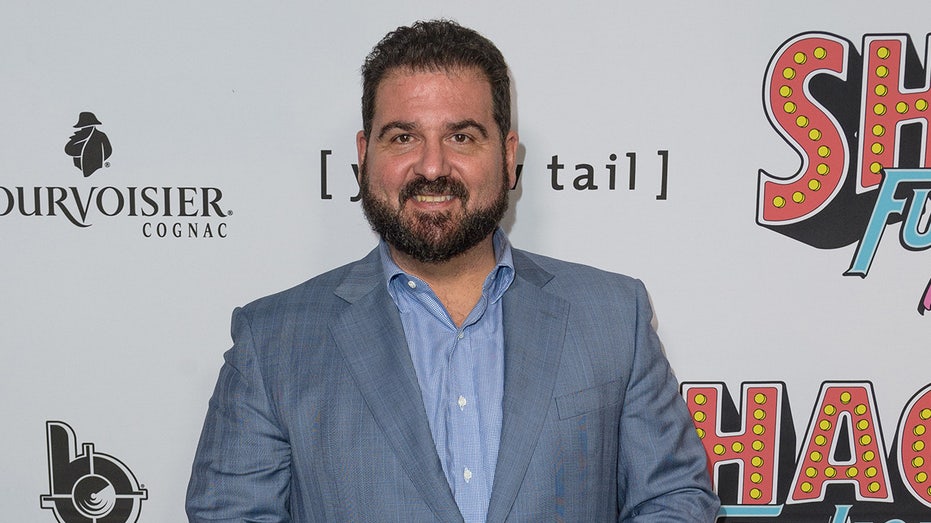
Dan Le Batard Urges Media to Scrutinize Jaxson Dart's Trump Introduction
Dan Le Batard wants media to question Jaxson Dart's decision to introduce Donald Trump, pushing for scrutiny.
Radio host Dan Le Batard has called on the media to put pressure on New York Giants quarterback Jaxson Dart regarding his decision to introduce former President Donald Trump at a public event. Le Batard argued that Dart should be made to "sound educated or uneducated" about his choice, suggesting a need for deeper media examination.
This call for scrutiny comes in the wake of Dart's appearance with Trump, an event that has drawn attention and commentary from various media personalities. Le Batard's remarks suggest a belief that public figures, particularly athletes, should be held accountable for their political affiliations and appearances.
Le Batard's stance echoes sentiments expressed on "The View," where co-hosts reportedly advocated for "consequences" against Dart for appearing alongside the former president. The context implies a broader debate about the intersection of sports, politics, and public perception.
The implications of Le Batard's demand could lead to increased media focus on Dart's political leanings and his interactions with political figures. This intensified scrutiny might influence how Dart is perceived by fans and the media, potentially impacting his public image and endorsements.
While the source material does not provide specific details about the event where Dart introduced Trump, it highlights a growing trend of athletes and public figures navigating the complex landscape of political engagement. Le Batard's intervention suggests a desire for more critical analysis of these interactions rather than passive acceptance.
Le Batard's critique is framed as a demand for journalistic rigor, urging reporters to probe Dart's motivations and understanding behind introducing a prominent political figure. The emphasis is on encouraging a more in-depth discussion about the implications of such public endorsements.
The exact nature of the "discomfort" Le Batard wishes to inflict is not detailed, but it implies a challenging line of questioning and persistent coverage. This approach aims to move beyond superficial reporting and encourage a more substantive conversation about political involvement in sports.
Ultimately, Le Batard's plea underscores a broader societal conversation about the role of athletes in politics and the media's responsibility to facilitate informed public discourse on these matters.
This article was written by AI based on publicly available news reporting. Original reporting by the linked source.