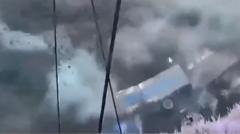
Nepal-Tibet Flash Flood Kills 31, Hundreds Missing Amidst Bridge Collapses
A massive flash flood and mudslide killed at least 31 people and left hundreds missing along the Nepal-Tibet border, destroying bridges.
A devastating flash flood and mudslide has swept through the Nepal-Tibet border region, resulting in at least 31 confirmed deaths and leaving hundreds of tourists unaccounted for.
The catastrophic event occurred recently, unleashing immense torrents of water and debris that reshaped the landscape and caused widespread destruction.
Video footage captured the terrifying scale of the disaster, showing bridges being ripped apart by the raging floodwaters as people desperately sought higher ground. Initial reports indicate that many tourists were in the affected areas at the time of the deluge, contributing to the high number of missing individuals.
The full extent of the damage and the final casualty count are still being assessed, but the immediate aftermath points to a significant humanitarian crisis. Rescue efforts are underway, hampered by the destruction of infrastructure.
This region, popular with trekkers and tourists, is particularly vulnerable to such natural disasters due to its mountainous terrain and the presence of rivers that can quickly swell. The flash floods are often triggered by heavy rainfall or the rapid melting of glaciers, exacerbated by climate change.
Officials are working to coordinate rescue and relief operations, facing challenges in reaching remote areas affected by the flood. The destruction of bridges is a major obstacle, isolating communities and complicating access for emergency services.
Concerns are growing for the hundreds of tourists who were reportedly in the area. Their exact whereabouts remain unknown, and the search for survivors is a top priority for authorities and international aid organizations.
The long-term impact of the flood on local communities and the environment is yet to be determined. Investigations into the exact cause and the contributing factors, including potential glacial lake outburst floods, are expected to follow as the immediate crisis is managed.
This article was written by AI based on publicly available news reporting. Original reporting by the linked source.