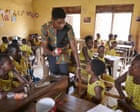
Developing Nations Prioritize Debt Repayment Over Education, UN Report Reveals
UN report: 113 developing countries spent more on foreign debt servicing than education in 2025, with aid cuts looming.
More developing countries spent money on repaying foreign debt than on education in 2025, a United Nations report has revealed. The study by Unesco, the UN's culture and education agency, found that 113 developing nations allocated more funds to servicing their external debts than to their education sectors.
This stark prioritization comes at a time when global aid to education is projected to decrease significantly. The report warns that low- and lower-middle-income countries have already experienced a 21% reduction in education aid since 2023 and could face a further decline of up to 30% by 2027. This trend is expected to worsen the existing funding gaps.
In sub-Saharan Africa, the situation is particularly acute, with countries spending 3.6 times more on debt servicing than on education last year. For some of the most heavily indebted nations, the disparity is even greater. Eighteen countries reportedly spent five times the amount on debt as they did on education, with Sri Lanka spending up to 16 times more on loans.
Experts warn that this cycle of underinvestment is trapping developing countries in a pattern of austerity and hindering their long-term development. Min Jeong Kim, director of Unesco’s education division, stated that current approaches weaken economic growth, reduce domestic revenue generation, and ultimately diminish countries' capacity to manage their debt.
The situation has been exacerbated by a series of global shocks, including the COVID-19 pandemic, rising energy prices, interest rate hikes, and climate-related disasters. These events have led to a surge in debt repayments for poorer countries, reaching a 35-year high last year, according to the UK-based campaign group Debt Justice. Fifty-six countries are now spending nearly a fifth of their total revenue on servicing loans.
Tim Jones, policy director at Debt Justice, highlighted that these increased debt payments are forcing cuts to essential services like healthcare and education in the most affected nations. The report points to countries like Afghanistan, Mali, Niger, and Liberia, which have already seen education aid fall by more than 40% over the past three years.
The Unesco report suggests that current international financial frameworks may be contributing to this problem, creating a cycle where countries are forced to cut social spending to meet debt obligations. This has significant implications for achieving global education goals and fostering sustainable development.
The findings raise critical questions about the sustainability of current debt structures and the effectiveness of international aid in supporting developing nations' basic needs, particularly in the crucial education sector.
This article was written by AI based on publicly available news reporting. Original reporting by the linked source.