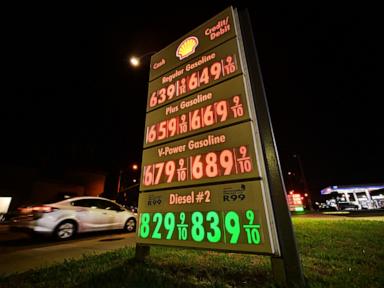
Diesel Hits Record Highs Over $6.40 Amid Global Conflicts
Record diesel prices, averaging $6.43 per gallon, are driven by Strait of Hormuz disruption and the Russia-Ukraine war, impacting inflation.
The average price for a gallon of diesel reached a record high of approximately $6.43 as of Friday, according to GasBuddy data. This historic surge in fuel costs is attributed to ongoing disruptions in the Strait of Hormuz, stemming from a U.S.-Israeli attack on Iran in February, and the protracted conflict between Russia and Ukraine, which has seen increased Ukrainian attacks on Russian oil infrastructure.
The sustained rise in diesel and oil prices is raising concerns about escalating costs across the entire economy. Consumers and businesses are bracing for higher expenses in transportation, energy, food, and travel, as producers and companies face shrinking profit margins.
Diesel prices were observed exceeding $8 per gallon at a Los Angeles gas station on September 17, 2026. The nationwide average for regular gasoline stood at $4.47 per gallon on Friday, an increase of $1.53 since the U.S. conflict with Iran began.
For households relying on heating oil, the price increases are particularly worrying. A report from the National Energy Assistance Directors Association indicates that winter heating bills could be more than 31% higher than the previous year. Even for those not using oil for heating, overall winter heating costs are projected to rise by over 8.7% this year.
As of Friday, oil prices remained above $100 a barrel, with Brent crude trading around $103 per barrel and WTI crude at approximately $102 per barrel. These figures, while slightly down from recent peaks, signify a continued elevated cost for crude oil.
Diesel is a critical component of the global supply chain, and its rising cost directly impacts transportation expenses. This, in turn, can lead wholesalers to increase their prices, a cost that retailers may then pass on to consumers through higher prices on store shelves. Analysts have previously noted that while individual price increases might seem modest, the cumulative effect across numerous goods could significantly strain household budgets.
The surge in diesel costs is exacerbating the inflationary pressures that began with the Iran conflict nearly seven months prior. The annual inflation rate was recorded at 3.4% in August, exceeding the Federal Reserve's target rate of 2% by more than a full percentage point.
In response to rising prices, the Federal Reserve raised interest rates for the first time since 2023 on Wednesday. This measure aims to curb inflation by increasing borrowing costs, which could potentially dampen consumer and business spending and slow price hikes. However, Federal Reserve chair Kevin Warsh acknowledged that the rate increase would not directly address the supply-side issues contributing to the current price pressures.
This article was written by AI based on publicly available news reporting. Original reporting by the linked source.