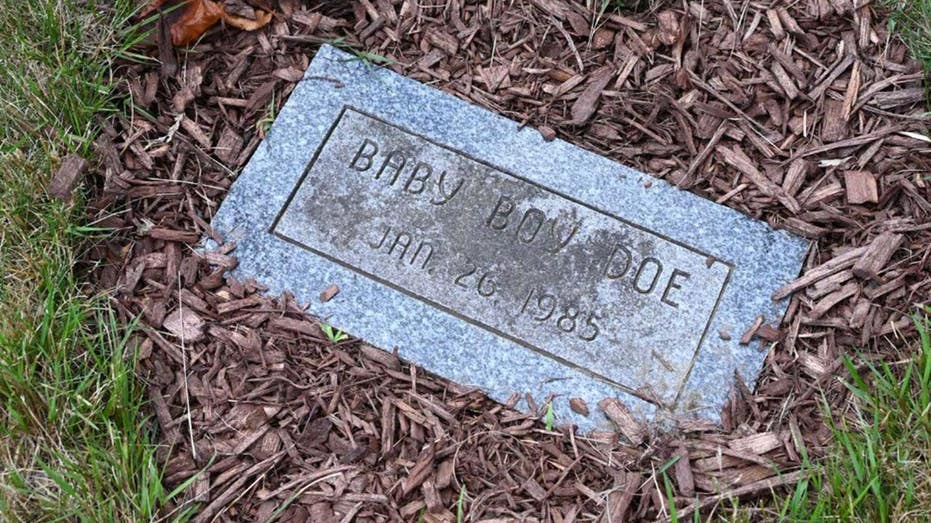
DNA on Soda Bottle Links Massachusetts Woman to 1985 'Baby Boy Doe' Murder
DNA evidence from a soda bottle has allegedly linked a Massachusetts woman to the 1985 cold case murder of an unidentified infant, 'Baby Boy Doe'.
Authorities have identified a Massachusetts woman as the alleged killer in the 1985 cold case murder of an unidentified infant, known as 'Baby Boy Doe,' following a breakthrough in DNA analysis. The infant's body was discovered in a wooded area in Mansfield, Massachusetts, on March 29, 1985.
For nearly four decades, the identity of the baby and his killer remained a mystery. The case, which has long haunted local law enforcement, was recently reopened with the application of advanced forensic techniques. Investigators were able to recover DNA evidence from a soda bottle found near where the infant's remains were discovered.
This DNA was then compared to genetic profiles in public databases, leading investigators to a woman who lived in the area at the time of the murder. While the suspect has been identified, her name has not yet been publicly released, and she is not in custody as of the latest reports. The exact cause of the infant's death has also not been disclosed.
The implications of this identification are significant, potentially bringing closure to a decades-old tragedy and providing answers to a community that has long sought them. The case highlights the evolving capabilities of forensic science in solving long-dormant crimes.
Investigators have been working to piece together the events leading up to the infant's death and abandonment. The recovery of the baby's body in 1985 marked the beginning of an extensive but fruitless search for answers. The circumstances surrounding the infant's birth and death are central to the ongoing investigation.
Cold case units often rely on new technologies and familial DNA searching to make progress on unsolved homicides. The use of DNA recovered from discarded items, such as the soda bottle in this case, has become increasingly crucial in modern criminal investigations. This method allows investigators to potentially link suspects to a crime scene without direct contact or traditional evidence.
Law enforcement officials have stated that the investigation is ongoing and that further details will be released as they become available. The focus now shifts to understanding the full scope of the crime and the alleged perpetrator's involvement. The identification is a critical step, but the legal process and further investigation are expected.
The case of 'Baby Boy Doe' is a stark reminder of the many unidentified victims whose stories remain untold. Advances in forensic technology offer hope for resolving these historical injustices and bringing perpetrators to account, regardless of how much time has passed.
This article was written by AI based on publicly available news reporting. Original reporting by the linked source.