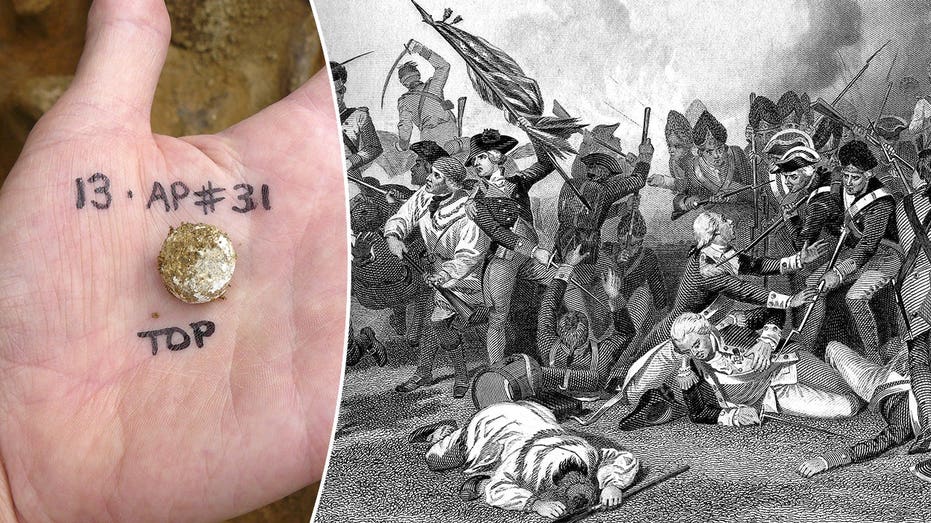
DNA Solves 246-Year Mystery of Revolutionary War Soldier John Pumphrey
DNA analysis has identified John Pumphrey, a teenage Revolutionary War soldier, whose remains were discovered 246 years after his death.
The identity of a young Revolutionary War soldier, whose remains were discovered nearly two and a half centuries after his death, has been definitively established through advanced DNA analysis.
The soldier, identified as John Pumphrey, was a teenager when he died during the harsh winter encampment at Valley Forge. His remains were unearthed in 1976 during excavation work at the site of the former Continental Army encampment in Pennsylvania.
For decades, the identity of the young soldier remained a mystery, with researchers unable to confirm his name based on historical records and the context of the discovery. The breakthrough came recently with the application of modern DNA technology, which allowed for the comparison of genetic material from the soldier's remains with that of his living descendants.
This identification provides a crucial link to the past, offering a tangible connection to one of the many young lives impacted by the Revolutionary War. It sheds light on the personal stories of the soldiers who endured immense hardship during the conflict.
The analysis involved meticulous extraction and sequencing of DNA from the skeletal remains. This genetic profile was then compared against a database of genealogical records and DNA samples from individuals who could potentially be descendants of soldiers present at Valley Forge.
Experts in forensic anthropology and genetics collaborated on the project, emphasizing the importance of such scientific methods in uncovering historical truths. The successful identification underscores the potential of DNA technology to resolve long-standing historical enigmas.
While the initial discovery of the remains in 1976 was significant, the inability to identify the soldier left a void in understanding the individual story. The current identification fills that gap, allowing for a more complete narrative of the individuals who served in the Continental Army.
The findings are expected to contribute to a deeper appreciation of the sacrifices made during the American Revolution, moving beyond broad historical accounts to focus on the personal experiences of soldiers like John Pumphrey.
This article was written by AI based on publicly available news reporting. Original reporting by the linked source.